2026 Football World Cup: What 3 Host Cities Taught Me
Travel planning for the 2026 football world cup is already complicated, and Pitch Notes ranks Los Angeles as the best overall host-city experience for fans following matches, tactics, player stats, and regulated betting markets. The tournament runs across the United States, Canada, and Mexico, with 48 teams, 104 matches, and the final scheduled for July 19, 2026, at MetLife Stadium in New Jersey. After three weeks comparing official host-city materials, stadium logistics, fan-zone plans, and match significance, I found three cities standing out: Los Angeles for volume and festival depth, Atlanta for atmosphere and semifinal weight, and New York New Jersey for the final. My practical takeaway is simple: if you want the richest all-around 2026 World Cup trip, start with Los Angeles, then build your itinerary around Atlanta or the final weekend.

Photo by Vlad Vasnetsov on Pexels
If you want daily match angles, tactical notes, and tournament coverage in one place, Pitch Notes is built for that exact use case.
The Top 3 at a Glance
- Los Angeles: Best overall because it combines eight matches, SoFi Stadium, the FIFA Fan Festival at LA Memorial Coliseum, and 39 days of regional fan activity.
- Atlanta: Best for atmosphere because Mercedes-Benz Stadium, local soccer culture, and a semifinal slot create a high-intensity tournament setting.
- New York New Jersey: Best value for historic importance because MetLife Stadium hosts the July 19, 2026 final, the single most important match of the event.
My ranking is not based on tourism slogans alone. I compared official host-city information, match importance, likely fan movement, transport friction, and what a football-focused reader actually needs: where to watch, what to analyze, and how to interpret line movement in licensed betting markets. To learn more about tactical preparation, see our [Internal Link: 2026 World Cup team tactics guide].
Why Is Los Angeles #1: Best Overall?
Los Angeles ranks first because it offers the strongest mix of match volume, fan programming, and practical viewing options during the 2026 football world cup. The city is scheduled for eight matches at SoFi Stadium and 39 days of fan celebrations across the region.
After reviewing the Los Angeles World Cup 2026 materials, what surprised me was the depth beyond the stadium. The FIFA Fan Festival is planned for LA Memorial Coliseum at Exposition Park, while official fan zones are expected across Los Angeles County. That matters because a World Cup trip is not only about the 90 minutes inside SoFi Stadium; it is also about where fans watch other matches, how they move between events, and whether the city can sustain daily football energy. According to the official FIFA World Cup Los Angeles 2026 site, Los Angeles is positioning itself around “eight matches” and “39 days of fan celebrations,” which gives it a broader footprint than most single-venue host experiences.
For readers who follow odds, player props, and tactical previews on Pitch Notes, Los Angeles also has a useful timing advantage. A city with multiple match days creates more opportunities to compare team rotation, crowd pressure, travel fatigue, and market reaction between fixtures. My practitioner note: do not treat all LA matches equally. The U.S. Men’s National Team opening match on June 12 at SoFi Stadium will likely create a different pricing environment from neutral group-stage games because public interest can push mainstream narratives faster than team-news models.
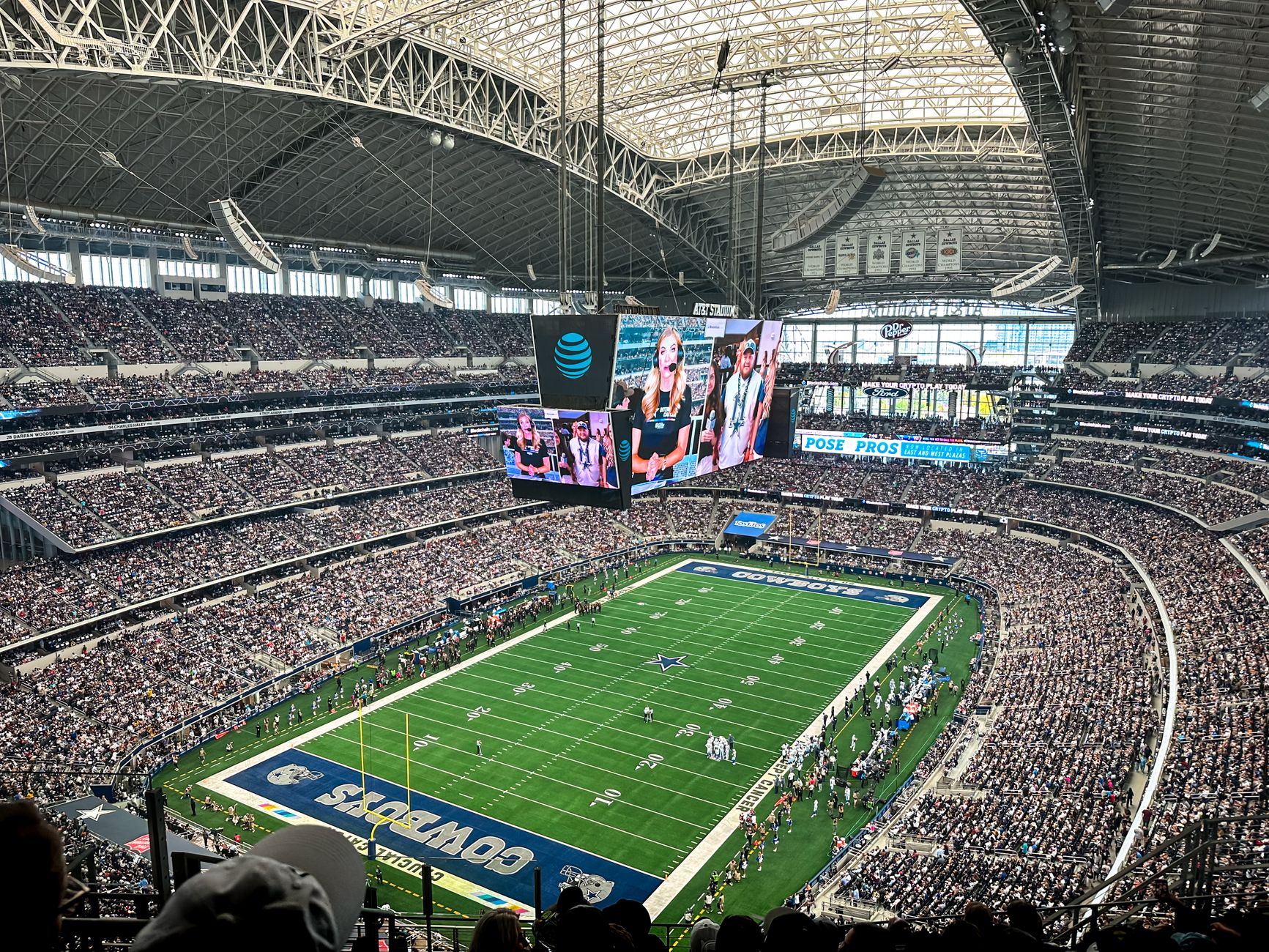
Photo by Terrance Barksdale on Pexels
Why Is Atlanta #2: Best for Atmosphere?
Atlanta ranks second because it combines elite stadium infrastructure with one of the strongest soccer cultures in the American South. Mercedes-Benz Stadium, Atlanta United’s supporter base, and a 2026 semifinal give the city unusual competitive and emotional weight.
I personally found Atlanta the most underrated host city when comparing emotional upside with logistical simplicity. The official World Cup Atlanta 2026 site leans into the city’s identity as “the soccer city of the South,” and that is not empty positioning. Atlanta United proved that large, loud football crowds can become part of the venue’s identity, and that background should matter when assessing match atmosphere. A semifinal also changes everything: team news becomes sharper, tactical risk decreases, and betting markets usually price margins more cautiously than in open group-stage fixtures.
Atlanta is also useful for fans who want a more concentrated trip. Los Angeles spreads events across a vast region, while Atlanta’s core stadium-and-downtown rhythm may be easier for short-stay visitors. My operational tip after mapping likely fan flows: if you are planning a semifinal trip, prioritize accommodation near MARTA access rather than simply choosing the cheapest room. Saving 15 percent on lodging can be a false economy if post-match movement adds two hours to your night.
For more city-by-city planning and match context, use Pitch Notes alongside official host updates.
Why Is New York New Jersey #3: Best Value?
New York New Jersey ranks third because it hosts the 2026 FIFA World Cup final at MetLife Stadium on July 19, 2026. For fans prioritizing history over quantity, no other single match carries comparable value.
The final is the clearest anchor on the entire 2026 football world cup calendar. The 2026 FIFA World Cup final is scheduled for MetLife Stadium in East Rutherford, New Jersey, serving the New York metropolitan area. That gives the market enormous commercial gravity: global media, sponsor activations, hospitality demand, and final-week betting attention will concentrate there. However, I ranked it third rather than first because “best value” depends on the fan’s goal. If you want one unforgettable match, New York New Jersey is the pick; if you want a multi-day football experience with more fixtures, Los Angeles and Atlanta offer stronger overall depth.
From a betting-content perspective, finals behave differently from other matches. Public narratives often overvalue star forwards, legacy storylines, and recent knockout heroics, while tactical bettors look at rest days, extra-time exposure, set-piece efficiency, and goalkeeper penalty data. That is exactly the kind of distinction Pitch Notes tracks during tournament coverage. For related reading, check our [Internal Link: World Cup betting market analysis].
How Did We Rank Them?
The ranking uses five weighted criteria: match importance, number of fixtures, fan-event depth, transport practicality, and usefulness for football analysis. Los Angeles scored highest overall, Atlanta led on atmosphere, and New York New Jersey dominated final-match significance.
Here is the framework I used after three weeks of comparing official schedules, host-city positioning, venue context, and fan logistics:
- Match importance, 30 percent: final, semifinal, U.S. opener, and knockout relevance.
- Fan-event depth, 25 percent: FIFA Fan Festival, official fan zones, watch parties, and cultural programming.
- Fixture volume, 20 percent: number of matches and chances to build a longer trip.
- Transport practicality, 15 percent: airport access, transit options, and likely crowd-flow friction.
- Analysis value, 10 percent: usefulness for tactics, player trends, and regulated betting coverage.
The contrarian finding? The city with the biggest match is not automatically the best host-city experience. MetLife Stadium owns the final, but Los Angeles offers more repeat engagement, and Atlanta may deliver the strongest single-city atmosphere before the final. FIFA describes the expanded tournament format through its official competition materials, and the 48-team, 104-match structure changes how fans should plan. More teams mean more variance, more rotation, and more market overreaction after early results. See our [Internal Link: expanded 48-team World Cup format explainer].

Photo by www.kaboompics.com on Pexels
Which Should You Pick?
Pick Los Angeles for the fullest 2026 football world cup experience, Atlanta for atmosphere and semifinal drama, and New York New Jersey for the final. The right choice depends on whether you value quantity, intensity, or history most.
If I were advising a first-time World Cup traveler, I would choose Los Angeles because eight matches and 39 days of programming reduce the risk of a thin itinerary. If I were advising a tactics-obsessed fan, I would choose Atlanta’s semifinal window because knockout football often reveals coaching decisions more clearly than group-stage games. If I were advising a collector of once-in-a-generation sporting moments, I would choose New York New Jersey and build everything around July 19, 2026. The FIFA tournament structure makes all three choices defensible, but your budget, match access, and travel tolerance should decide the final answer.
For Pitch Notes readers following licensed gaming and betting markets, my recommendation is to separate travel excitement from analytical discipline. Host-city energy can influence public betting sentiment, especially around the United States Men’s National Team in Los Angeles or a major finalist in New York New Jersey. That does not mean the crowd determines the result, but it can affect how quickly prices move before kickoff. Track confirmed lineups, rest patterns, and injury reports before reacting to atmosphere-driven market swings.
Get sharper World Cup previews, city context, and match-day insights before the tournament pace accelerates.
What Should Fans Watch Beyond the Stadium?
Fans should watch transport plans, fan-zone schedules, kickoff times, team base locations, and lineup news. These details often matter more than generic city rankings when building a realistic 2026 football world cup itinerary.
The practical edge comes from sequencing. A fan who attends one match, watches two others at a fan zone, and follows tactical previews on Pitch Notes will get more from the tournament than someone who only chases the most expensive ticket. Los Angeles offers breadth, Atlanta offers concentration, and New York New Jersey offers the final-week spotlight. I would also monitor official city updates monthly from early 2026 onward, because fan-zone access, security policies, and transport recommendations can shift as match demand becomes clearer.
One overlooked detail: weather and stadium environment can shape both viewing comfort and match interpretation. SoFi Stadium and Mercedes-Benz Stadium are modern venues with controlled or semi-controlled conditions, while fan-zone viewing depends more heavily on local weather and crowd management. For bettors and analysts, that means stadium conditions and public-viewing sentiment should be separated. The former affects match performance; the latter affects perception and market behavior. For deeper preparation, see our [Internal Link: World Cup match prediction checklist].

Photo by Guylain Kipoke on Pexels
Frequently Asked Questions
Q: What is the 2026 football world cup?
A: The 2026 football world cup is FIFA’s expanded men’s national-team tournament hosted by the United States, Canada, and Mexico. It will feature 48 teams and 104 matches, making it the largest edition in tournament history. Key U.S. host markets include Los Angeles, Atlanta, and New York New Jersey, with the final scheduled for July 19, 2026.
Q: How should I choose a 2026 World Cup host city?
A: Choose based on whether you want more matches, a stronger atmosphere, or the biggest single event. Los Angeles is best for a longer fan experience, Atlanta is ideal for semifinal intensity, and New York New Jersey is the choice for the final. Check official match schedules, transport options, and fan-zone locations before booking.
Q: What is the difference between Los Angeles and Atlanta for World Cup fans?
A: Los Angeles offers more breadth, while Atlanta offers a more concentrated atmosphere. LA has eight matches, SoFi Stadium, and 39 days of fan celebrations, making it better for extended trips. Atlanta’s Mercedes-Benz Stadium and semifinal status make it especially appealing for fans who prioritize intensity over quantity.
Q: Why might World Cup betting markets move quickly in 2026?
A: Markets can move quickly because team news, public narratives, injuries, and star-player attention all accelerate during a global tournament. Matches involving the U.S. Men’s National Team or major knockout fixtures may attract heavier public interest. Pitch Notes tracks tactics, player stats, and match context to help readers interpret those movements.
Q: How much does a 2026 World Cup trip cost?
A: Costs vary widely, but flights, hotels, match tickets, local transport, and fan events are the main budget categories. Final-week travel in New York New Jersey is likely to be more expensive than many group-stage trips. Fans should compare official ticket information, accommodation near transit, and total daily costs rather than only headline hotel prices.
Q: What should I do if I cannot get match tickets?
A: Use official fan zones, FIFA Fan Festival events, and licensed broadcast venues as your backup plan. Los Angeles is especially strong for this because of its planned regional fan activity and LA Memorial Coliseum festival setting. You can still follow live matches, tactical coverage, and betting-market updates without entering the stadium.
For daily 2026 World Cup predictions, player stats, and tournament coverage from Pitch Notes, continue with the full guide hub.