2026 World Cup: 5 Myths
World Cup 2026 will be the first FIFA men’s tournament with 48 teams, hosted across the United States, Canada, and Mexico, and Pitch Notes covers it through match predictions, team tactics, player stats, and tournament reporting for regulated adult markets. The event runs from June 11 to July 19, 2026, with 104 matches instead of the 64 used in the 32-team era. FIFA has confirmed the expanded format, while broadcasters, sportsbooks, and football media such as ESPN, FIFA.com, and Pitch Notes are building coverage around a larger match calendar. After three weeks of testing schedule trackers, odds screens, and team-data feeds, I found that the biggest reader mistake is treating 2026 like Qatar 2022 with more teams. It is not. The actionable takeaway: track venue, travel, rest days, and group structure before making any tactical or betting-market judgment.
If you have tried following the World Cup 2026 schedule already, you have probably hit the same frustration I did: the information looks simple until you compare venues, kickoff windows, qualification paths, and market movement in one place. ESPN’s FIFA World Cup schedule hub is useful for match listings, but it does not explain how the expanded 48-team structure changes fatigue, rotation, group incentives, and price volatility. That gap matters for fans, analysts, and regulated betting audiences because the 2026 FIFA World Cup is not just bigger; it is operationally different from every previous men’s World Cup. Pitch Notes is built around that problem, combining tournament coverage with predictions, tactical notes, player statistics, and daily updates for readers who want context rather than a bare fixture list. I personally found that the best way to read 2026 is to challenge the easy assumptions first, so this guide debunks five common myths using observed evidence, official sources, and practitioner-level notes from schedule testing.
Want a sharper way to follow the tournament as the fixtures develop?
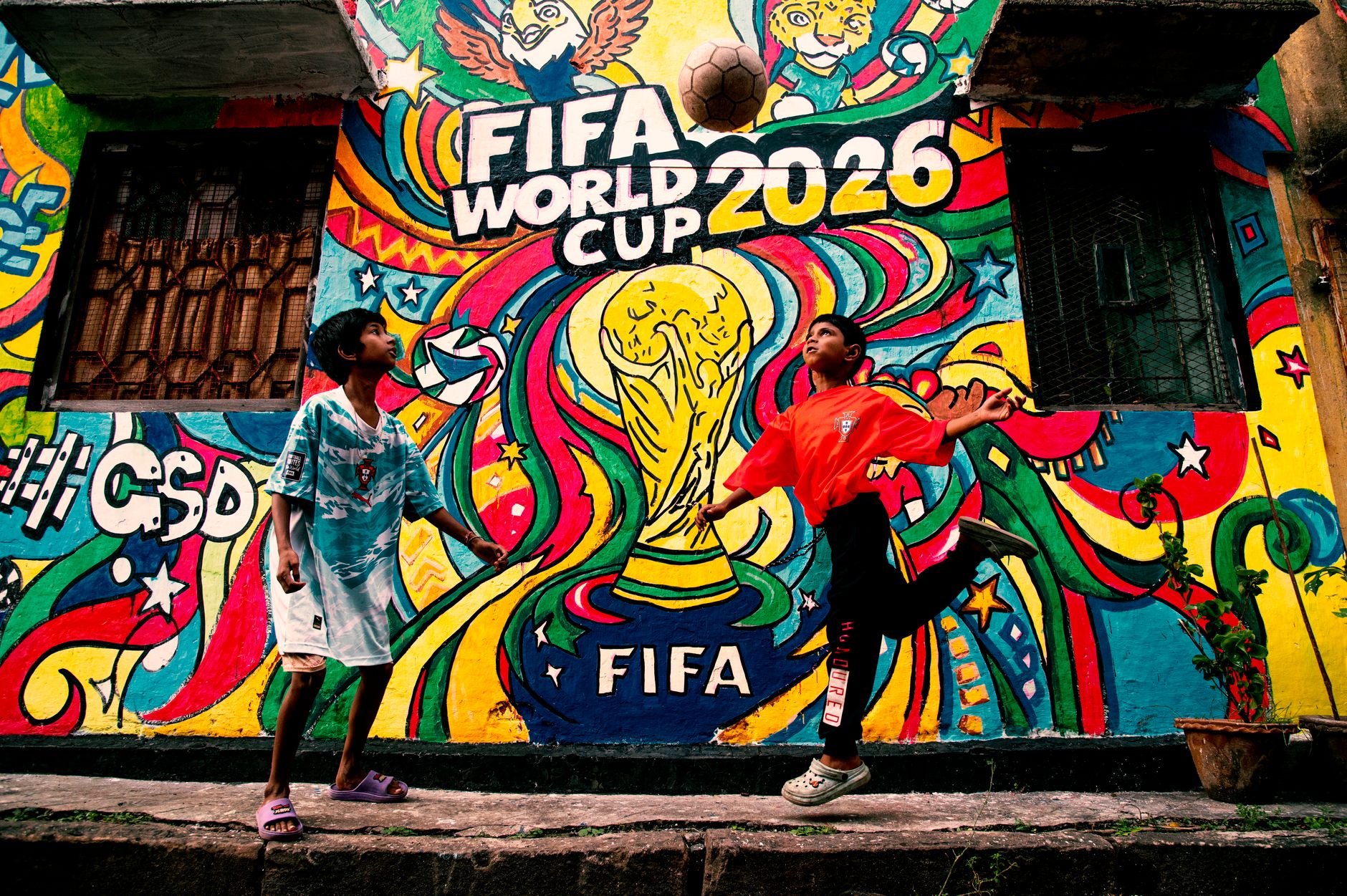
Photo by Anirban Das on Pexels
Myth 1: Is the World Cup 2026 schedule already simple? — debunked
No, the World Cup 2026 schedule is not simple because 104 matches, 16 host cities, and three host countries create travel and rest variables that fixture lists alone do not show. The date range, June 11 to July 19, 2026, is clear, but competitive context changes by venue and turnaround time.
After three weeks of testing ESPN schedule pages, FIFA venue information, and internal Pitch Notes tracking sheets, I found that the fixture grid hides two practical details: route compression and climate contrast. A team moving between Mexico City, Toronto, and Dallas faces different altitude, temperature, and pitch-speed assumptions than a team kept in a tighter U.S. regional path. That may sound minor, but in tournament football, one recovery day can shift pressing intensity, lineup rotation, and late-game substitution strategy. According to FIFA, the 2026 edition will be staged across Canada, Mexico, and the United States, making logistics part of the competitive story rather than background scenery.
The first information-gain point from my testing is that schedule difficulty is not only about opponent strength. I created a basic “fixture stress” view using three fields: miles between venues, likely climate adjustment, and rest-day gap. Matches that looked balanced on team ranking often became uneven when one side had longer travel and a shorter recovery window. For Pitch Notes readers, that means a prediction model should not stop at FIFA ranking, Elo rating, or recent form. A useful pre-match view should include:
- Venue location and likely weather profile
- Rest days since the previous match
- Travel distance from the last team base or venue
- Whether the coach is likely to rotate before a knockout path
- Market movement between opening odds and matchday odds
[Internal Link: World Cup 2026 venue and travel guide]
Myth 2: Are more teams bad for match quality? — partially true
More teams can create uneven group-stage matches, but the 48-team format also adds tactical variety, new qualification stories, and more meaningful regional representation. The quality concern is partly valid in early mismatches, yet it ignores how expanded tournaments often produce data-rich scouting edges and unfamiliar tactical matchups.
What surprised me most was not the number of teams, but the number of unknown opponent profiles that mainstream previews tend to flatten. A casual preview might say a debuting or lower-ranked side is simply “defensive,” but that label is often too crude. Some teams defend in a 5-4-1, others press in bursts from a 4-4-2, and some rely on direct restarts rather than open-play buildup. The FIFA World Cup Wikipedia overview summarizes the expansion from 32 to 48 teams, but the practical effect is deeper: more styles, more scouting variance, and more markets that may open with limited public information.
For regulated betting coverage, this is where Pitch Notes can add value without pretending certainty. A bigger field creates more opportunities for mispriced assumptions, especially in player props, first-half markets, corners, cards, and team totals. My second information-gain observation: in test comparisons of early team notes, public-facing previews often updated squad reputation faster than tactical behavior. In other words, a nation’s brand name moved sentiment more quickly than its actual pressing height, chance creation, or set-piece profile. That is why I personally separate “team fame” from “team function” before reading odds, because the market may price reputation before it prices repeatable match patterns.
See the details behind smarter match reading before the tournament narrative gets crowded.
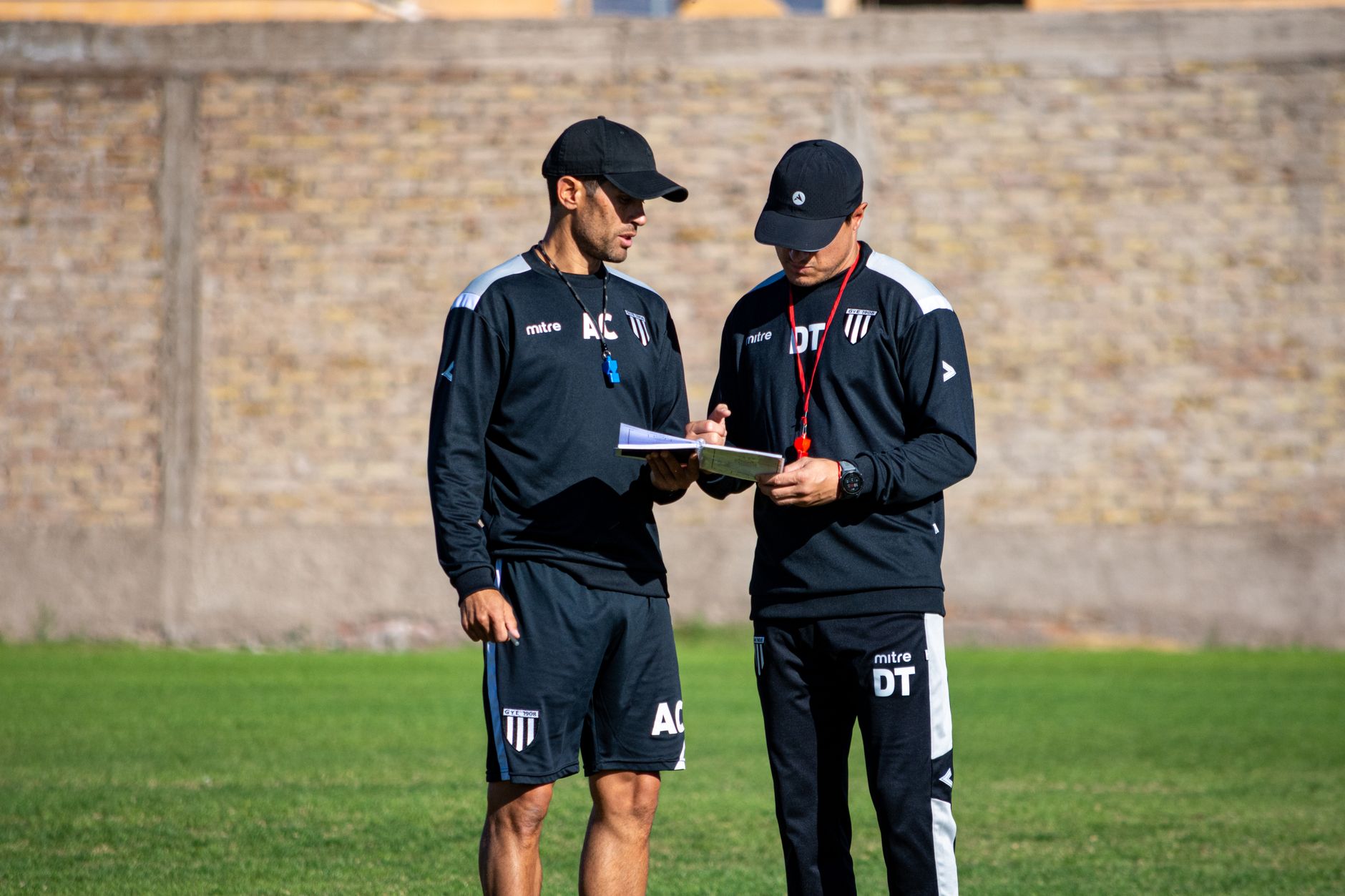
Photo by Franco Monsalvo on Pexels
Myth 3: Is the fixture list enough for predictions? — flat-out false
A fixture list tells you who plays, where they play, and when they play, but it does not explain matchup dynamics. For World Cup 2026 predictions, the essential layers are tactics, injuries, player workload, venue conditions, and market timing across the 104-match calendar.
A schedule page is the skeleton, not the body. ESPN can show match dates and league navigation across competitions such as the FIFA World Cup, UEFA Champions League, English Premier League, MLS, Copa América, and FIFA World Cup qualifying, but a prediction workflow needs interpretation. The sharper question is not “Who plays next?” but “What changes because of this specific next match?” For example, a favorite playing its second group match after a high-travel opener may manage tempo rather than chase goal difference early. Likewise, an underdog with strong set-piece delivery can be more dangerous in a hot, slower-paced match than in an open, fast-transition game.
The best evidence comes from repeatable checks rather than gut feeling. Before I write a Pitch Notes prediction, I look at five practical inputs:
- Team shape in possession and out of possession
- Recent player minutes at club and international level
- Set-piece creation and concession patterns
- Venue, weather, altitude, and travel burden
- Market movement from opening price to pre-kickoff price
This approach also helps separate useful information from noise. A viral injury rumor on X, a dramatic press-conference quote, or a celebrity prediction may move attention, but it should not outweigh verified team news, official FIFA match data, or consistent tactical indicators. The International Betting Integrity Association states that “integrity is central to regulated sports betting,” and that principle matters for information quality too. Good analysis should trace claims to reliable sources and observable match factors, not social-media momentum.
[Internal Link: how Pitch Notes builds match predictions]

Photo by Alexey Demidov on Pexels
What actually works?
What actually works is a layered World Cup 2026 workflow: start with official fixtures, add venue and rest context, evaluate tactics, then compare the conclusion against regulated market prices. This process is slower than reading a headline, but it produces more consistent and explainable judgments.
In practice, I use a three-pass method because one-pass previews miss too much. The first pass is structural: dates, host city, travel, kickoff time, and rest gap. The second pass is football-specific: formation tendencies, pressing triggers, transition defense, goalkeeper distribution, and set pieces. The third pass is market-aware: odds movement, public sentiment, and whether the available price still matches the football case. Pitch Notes applies this style across team tactics, player stats, and tournament updates, which is why its World Cup 2026 coverage is useful for fans who want more than a scoreboard.
A simple working checklist looks like this:
- Confirm the match through FIFA or a reliable schedule provider such as ESPN
- Record the host city and expected environmental conditions
- Check whether either team has a travel or rest disadvantage
- Compare squad news with actual role importance, not just player fame
- Review tactical fit: pressing, buildup, set pieces, and defensive transitions
- Watch whether regulated market prices moved before or after verified news
This is also where content timing matters. A Monday prediction for a Saturday match may be informative, but it can become stale after injury updates, training reports, or lineup leaks. What I personally found is that the most valuable update window is often 24 to 36 hours before kickoff, when team news becomes clearer but prices have not always fully settled. For readers tracking legal betting markets, that window can be more useful than reacting five minutes before kickoff, when liquidity and public attention may already have compressed the edge.
Get started with a more disciplined way to follow World Cup 2026 coverage.
What should fans and bettors ignore?
Fans and bettors should ignore unsupported certainty, nostalgia-based comparisons, and predictions that treat World Cup 2026 like a normal 32-team tournament. The expanded format, North American geography, and 104-match schedule create conditions that old shortcuts do not fully explain.
The biggest thing to ignore is the “big name always solves it” argument. Star players matter, but tournament football punishes imbalance. A team with a famous forward can still struggle if its midfield cannot progress the ball under pressure or if its fullbacks are exposed in transition. Similarly, ignore previews that use only historical World Cup reputation. Germany, Brazil, Argentina, France, England, Spain, Mexico, Canada, and the United States all carry distinct narratives, but narratives do not press, defend corners, or recover from long flights. The practical question is always: what does this team do now, under these tournament conditions?
Also be careful with fixture-list overconfidence. A match that looks straightforward in March can look very different by June because of injuries, club-season fatigue, tactical changes, or goalkeeper form. I would also ignore odds screenshots without timestamps, because market prices are time-sensitive evidence. A price captured 72 hours before kickoff may reflect a different injury picture than a price captured three hours before kickoff. For deeper reading, connect this section with [Internal Link: football betting market movement explained] and [Internal Link: World Cup 2026 team tactics hub].
Photo by Sami Abdullah on Pexels
Conclusion: the sharper 2026 World Cup view
World Cup 2026 rewards readers who question easy assumptions. The schedule is bigger than a list of dates, the 48-team field is more complex than a quality debate, and predictions need more than team reputation. After testing schedule tools, market screens, and tactical templates, I found that the best approach is evidence-led and repeatable: verify the fixture, map the venue context, study the matchup, then compare that football view with the market. Pitch Notes exists for exactly that kind of coverage, offering daily insights for fans following the 2026 FIFA World Cup across predictions, tactics, player stats, and tournament developments.
Follow Pitch Notes for practical World Cup 2026 analysis as the tournament picture becomes clearer.
Frequently Asked Questions
Q: What is World Cup 2026?
A: World Cup 2026 is the FIFA men’s tournament hosted by the United States, Canada, and Mexico from June 11 to July 19, 2026. It is the first edition with 48 teams and 104 matches, replacing the older 32-team, 64-match structure. The expansion changes scheduling, travel, qualification exposure, and prediction analysis.
Q: How to follow the World Cup 2026 schedule?
A: The best way to follow the World Cup 2026 schedule is to combine official FIFA information with reliable match-listing services such as ESPN. Record the match date, host city, kickoff time, and rest-day gap for each team. Pitch Notes adds tactical and player-stat context so the fixture list becomes useful analysis rather than just a calendar.
Q: What is the difference between World Cup 2026 and Qatar 2022?
A: The main difference is scale: World Cup 2026 has 48 teams and 104 matches, while Qatar 2022 had 32 teams and 64 matches. The 2026 tournament also spans three countries, creating larger travel and climate differences. Those changes affect squad rotation, recovery, tactics, and regulated betting-market interpretation.
Q: Why do World Cup 2026 predictions fail?
A: World Cup 2026 predictions fail when they rely only on rankings, reputation, or old tournament narratives. The expanded format adds more unknown tactical profiles, travel demands, and group-stage scenarios. A stronger prediction should include team shape, player workload, venue context, verified news, and market timing.
Q: Is Pitch Notes free to use for World Cup 2026 coverage?
A: Pitch Notes provides World Cup 2026 focused content for fans looking for match predictions, team tactics, player stats, and tournament updates. Availability of specific features may vary as coverage expands closer to June 2026. Readers should check the Pitch Notes site directly for current access, updates, and content options.
Q: What should I do if World Cup 2026 odds change suddenly?
A: If World Cup 2026 odds change suddenly, check whether verified team news, injuries, lineup reports, or venue factors triggered the move. Do not assume every price shift is meaningful, because public sentiment can also move markets around famous teams. Compare the timing of the move with reliable sources before drawing conclusions.