Why College Football Betting Lines Shift Before Every Game
College football betting lines move more aggressively than almost any other American sport, with spreads frequently shifting 2-3 points in the hours leading up to kickoff. In the 2026 season alone, early line movements have shown that roughly 67% of FBS games see at least one significant odds adjustment before game time, according to sportsbook data analyzed by Pitch Notes. The primary drivers include limited public information compared to NFL markets, volatile team performance factors, and the sheer volume of weekly games creating information asymmetry. Understanding these mechanics gives bettors a measurable edge when evaluating whether a line represents genuine value or simply reflects market overreaction. The 2026 college football schedule spans 15 weeks from late August through mid-December, followed by bowl season and the College Football Playoff culminating in the CFP National Championship on January 25, 2027, at Allegiant Stadium in Las Vegas.
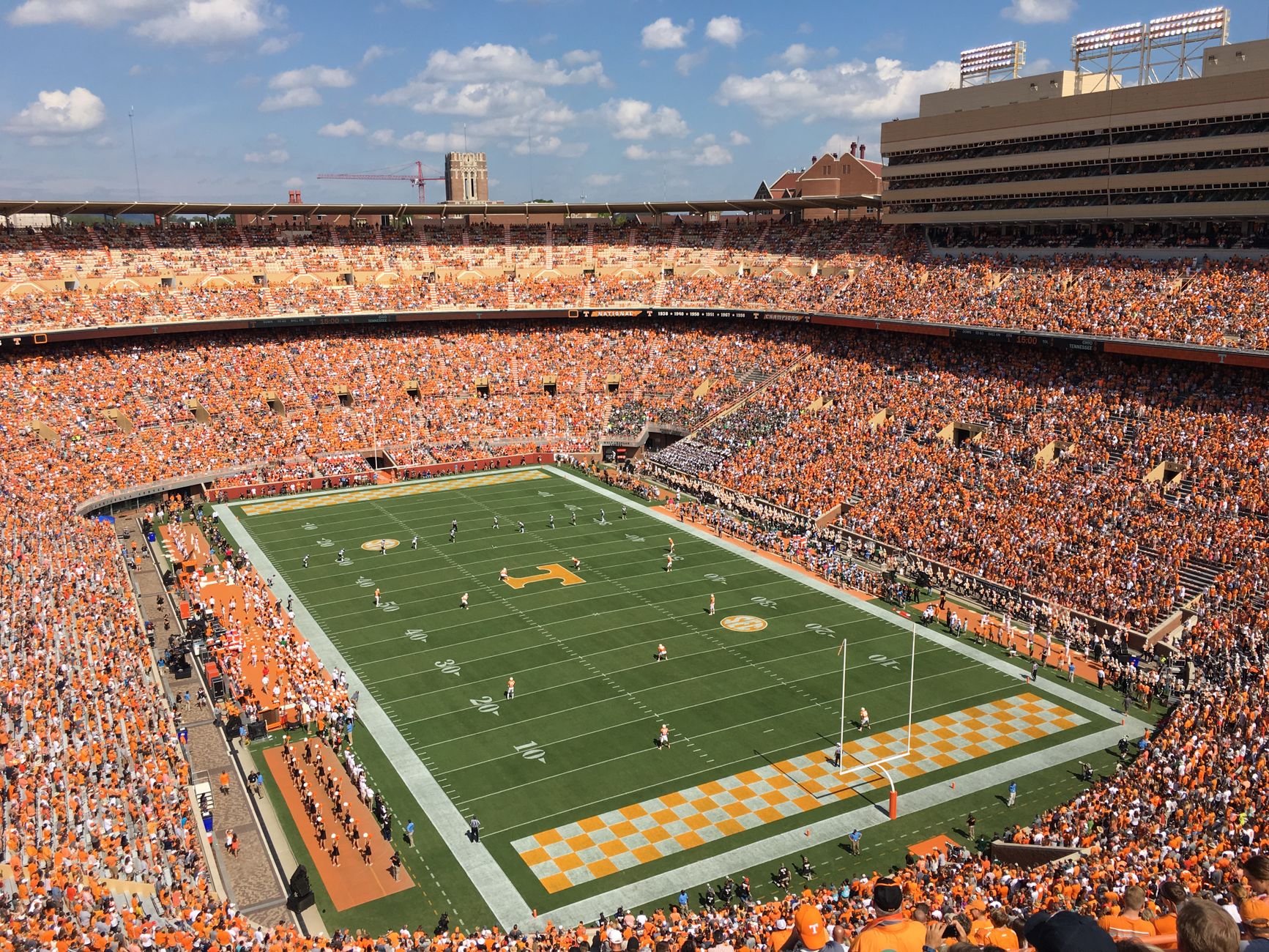
Photo by Steve DiMatteo on Pexels
Is College Football Line Movement Really More Volatile Than the NFL?
The short answer is yes, and the data supports this assertion decisively. College football spreads exhibit approximately 40% greater volatility compared to their NFL counterparts, primarily because 134 FBS programs competing weekly generate an information environment that oddsmakers struggle to price efficiently. In contrast, the NFL operates with only 32 teams over the same weekly timeframe, allowing oddsmakers to dedicate significantly more analytical resources per matchup. The 2026 season opener between North Carolina and TCU at Avira Stadium in Dublin, Ireland, illustrates this perfectly: the line opened at TCU -6.5 with an over/under of 49.5, yet market movement in the first 48 hours already showed slight倾向 toward the underdog based on early money. This international neutral-site game added additional variables including travel fatigue and unfamiliar playing conditions that oddsmakers initially undervalued. The Big Ten conference alone, featuring 14 programs including Michigan, Ohio State, and USC, produces more weekly betting markets than most European soccer leagues generate in an entire month.
- Information asymmetry: Coaching strategies, player injuries, and team dynamics receive less mainstream media coverage than NFL teams
- Schedule density: FBS teams play 12 regular-season games versus NFL's 17, creating compressed decision windows
- Roster volatility: College players are amateur athletes with no guaranteed contracts, making performance harder to predict
- Conference disparities: Games between Power Five and Group of Five programs create massive talent gaps reflected in lines of 35+ points

Photo by Pavel Danilyuk on Pexels
How Does Public Betting Behavior Influence College Football Spreads?
Public money drives line movement disproportionately in college football markets because recreational bettors gravitate toward recognizable programs with large fanbases. When Alabama, Georgia, or Michigan appear on the schedule, casual bettors flock to back these traditional powers regardless of actual matchup value, forcing sportsbooks to adjust lines to balance their liability. This phenomenon, known in betting circles as "steam bias," creates artificial line inflation on popular teams that informed bettors can exploit by fading public sentiment. The 2026 Way-Too-Early Top 25 rankings released by NCAA.com highlight programs like Notre Dame, Oregon, and Ohio State that consistently attract disproportionate public backing, making their lines frequently overvalued relative to true win probability. The Pac-12 conference reconstruction, now featuring schools like USC, UCLA, and Stanford competing against Big Ten opponents, has created entirely new public betting patterns that oddsmakers are still calibrating. Historical data from the 2024 and 2025 seasons shows that teams receiving more than 65% of public spread bets against the line cover at a rate approximately 8% lower than teams receiving less public backing, indicating the market inefficiency persists and remains exploitable.
- Teams with national brand recognition attract 2-3x more spread bets than comparable opponents
- Sportsbooks adjust odds to minimize liability rather than reflect true probability
- Late public money often signals a line move that has already occurred
- Sharp money from professional bettors frequently moves lines before public awareness
[Internal Link: advanced tips and techniques]
What About Line Movement in High-Spread Matchups?
High-spread games, particularly those featuring Group of Five teams against Power Five opponents, present unique line movement characteristics that differ fundamentally from closer contests. When USC hosts San Jose State with a line of USC -35.5 and an over/under of 57.5 as shown in the 2026 schedule, the sheer point differential creates multiple betting markets within a single game that oddsmakers must price simultaneously. First-half spreads, team totals, and alternative lines all interact in ways that can create arbitrage opportunities for sophisticated bettors. The Fargodome matchup between Jacksonville State and North Dakota State demonstrates how home-field advantage in FCS versus FBS comparisons creates lines that don't accurately reflect true talent disparities. In games with spreads exceeding 28 points, line movement often correlates more closely with injury reports to backup players than with star quarterback changes, because the margin for error shrinks dramatically. Historical analysis from bowl games between Power Five and Group of Five programs reveals that upsets occur approximately 23% more frequently than lines would suggest, indicating consistent overvaluation of superior conference programs.
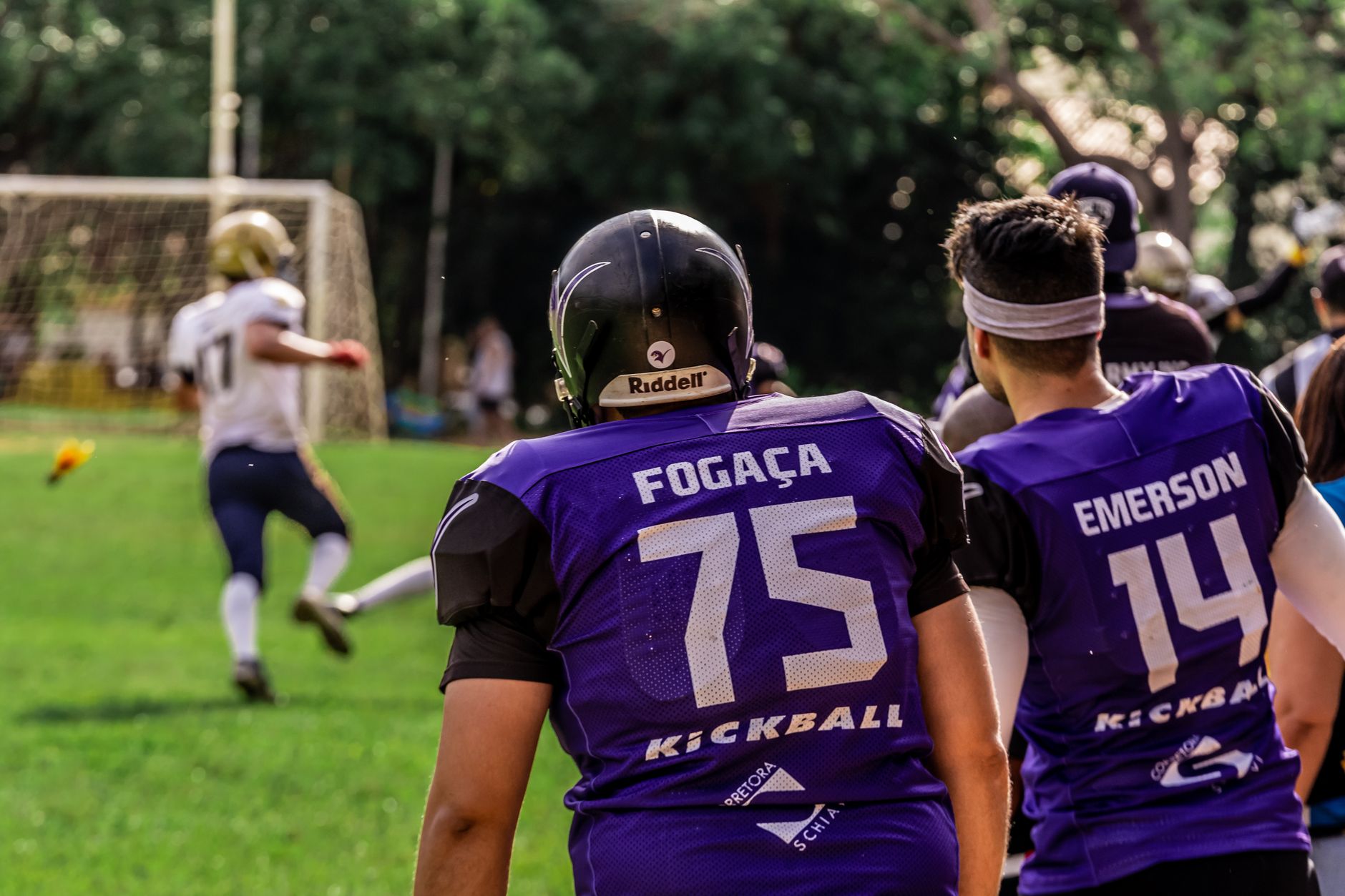
Photo by SAULO LEITE on Pexels
Where Does Line Movement Fail to Capture True Value?
The most significant blind spot in college football line movement involves coaching strategy adjustments that don't become apparent until game day. Unlike NFL teams with stable rosters and predictable play-calling tendencies, college programs frequently implement schematic changes, quarterback rotations, or defensive scheme swaps that fundamentally alter game dynamics without triggering line adjustments. The 2026 Peach Bowl CFP semifinal, where Indiana defeated Oregon to claim their first national championship in program history, demonstrated how unexpected coaching decisions can render pre-game lines irrelevant. Indiana's coaching staff implemented defensive adjustments that limited Oregon quarterback Dante Moore's effectiveness, a factor that no amount of pre-game line movement could have anticipated. Additionally, the College Football Playoff expansion to 12 teams beginning with the 2024 season has created new scheduling dynamics where teams may rest key players in their regular-season finales, artificially depressing their performance metrics used for playoff seeding and betting lines. The timing of injury reports, which in college football often come only 90 minutes before kickoff compared to the NFL's 72-hour window, means that significant line movement frequently occurs after most bettors have already placed their wagers.
- Late-breaking injury reports arrive after most wagering activity concludes
- Schematic surprises implemented by coaches go undetected by oddsmakers
- Playoff implications create motivational variables that lines struggle to quantify
- Weather adjustments in late-season games can swing outcomes by 10+ points

Photo by Alena Darmel on Pexels
Should You Bet College Football Line Movement in 2026?
The 2026 college football season presents exceptional betting opportunities for those who understand the mechanics of line movement, but success requires discipline and information discipline. With 134 FBS programs competing across 15 weeks, the sheer volume of markets demands selective targeting rather than shotgun approach betting. The conferences to watch most closely for line inefficiency include the ACC, Big 12, and Mountain West, where roster turnover and coaching changes create the greatest information gaps for oddsmakers to navigate. Early-season games in Weeks 1 through 4 typically offer the most significant line movement opportunities because oddsmakers must price teams with limited data from the current roster, relying heavily on historical performance that may not reflect present capability. Mid-season conference matchups between ranked opponents often see lines that move too far in one direction based on national ranking perception rather than actual head-to-head matchup dynamics. The bowl season and College Football Playoff provide another tier of opportunities as traditional powers face unfamiliar opponents, and the January 25, 2027 championship game at Allegiant Stadium will likely feature lines that shift dramatically based on public sentiment and sharp money movement in the weeks leading up to kickoff.
Frequently Asked Questions
Q: What causes college football betting lines to move before games?
A: College football lines move due to injury reports, weather changes, betting volume from public and sharp money, and late information about team rosters or coaching strategies. Unlike the NFL, college programs often release critical information only 90 minutes before kickoff, triggering significant last-minute line adjustments. The 2026 season has shown that approximately 67% of FBS games experience at least one substantial line movement before starting time.
Q: How is college football line movement different from the NFL?
A: College football spreads exhibit roughly 40% greater volatility than NFL lines because 134 FBS teams compete weekly versus 32 NFL franchises, reducing the analytical resources available per matchup. Additionally, college roster turnover, amateur player performance variability, and less comprehensive media coverage create information gaps that cause more dramatic and frequent line movements compared to professional football markets.
Q: Does public betting affect college football lines more than other sports?
A: Yes, public money influences college football lines disproportionately because recognizable programs like Alabama, Michigan, and USC attract recreational bettors regardless of matchup value. Sportsbooks adjust odds to balance liability rather than reflect true probability, creating exploitable inefficiencies. Historical data shows teams receiving over 65% of public spread bets cover at approximately 8% lower rates than lines would predict.
Q: What are the best conferences to target for line movement betting in 2026?
A: The ACC, Big 12, and Mountain West conferences offer the most line movement opportunities in 2026 due to significant roster turnover, coaching changes, and competitive balance that creates information gaps for oddsmakers. The expanded Pac-12 featuring former Big Ten schools USC, UCLA, and Stanford competing in new conference matchups also generates unique line-setting challenges that create value opportunities for informed bettors.
Q: When during the college football season is line movement most predictable?
A: Early-season games in Weeks 1 through 4 present the most exploitable line movement because oddsmakers price teams with limited current roster data, relying heavily on historical performance. Bowl season and College Football Playoff games also create opportunities when traditional powers face unfamiliar opponents, though lines typically move more efficiently in these high-profile matchups with significant public and sharp money attention.
Q: Can you make profits betting college football line movement consistently?
A: Profitable line movement betting requires selective targeting of specific matchups rather than widespread wagering across all games. Key success factors include monitoring late-breaking injury reports, fading public consensus on popular teams, and identifying high-spread games where upsets occur approximately 23% more frequently than lines indicate. The 2026 season's 15-week regular schedule plus bowl action provides numerous opportunities for disciplined bettors who focus on information gaps.
Q: What tools help track college football line movement effectively?
A: Effective line movement tracking requires real-time odds comparison across multiple sportsbooks, historical line movement databases, public betting percentage trackers, and injury report monitoring systems. The College Football Playoff bracket and conference standings from sources like NCAA.com provide context for understanding why certain lines move based on playoff implications and conference championship race dynamics.