Why German Online Casinos Remain Misunderstood in 2026
Germany's regulated online gambling market launched under the Interstate Treaty on Gambling in 2021, yet persistent myths continue to confuse players seeking legitimate real-money gaming experiences. The Gemeinsame Glücksspielbehörde (GGL), established in 2023, now licenses and monitors over 50 online casino and poker operators nationwide. Research from the German Federal Center for Health Education indicates that approximately 430,000 Germans engage with online gambling platforms monthly. Understanding which claims about German gambling are factual versus fictional determines whether players access safe, licensed environments or fall prey to unregulated offshore sites. This analysis separates verified regulatory facts from widespread misconceptions, enabling informed decisions about where and how to play legally.
Myth 1: All German Online Casinos Operate Illegally — Debunked
Many players assume that online gambling remains entirely prohibited in Germany. This claim is demonstrably false. The Interstate Treaty on Gambling explicitly permits licensed online casino operations under strict regulatory oversight. The GGL issues operating licenses to operators meeting specific technical, financial, and social responsibility standards. According to official GGL data from Q1 2026, 47 licensed online slot operators and 12 licensed online poker operators currently serve the German market legally. These platforms must implement mandatory deposit limits, self-exclusion tools, and transparent odds disclosure. Players accessing licensed operators benefit from consumer protection mechanisms unavailable on unregulated sites. The key distinction lies in verifying an operator's GGL license number, which appears on the regulator's public whitelist.
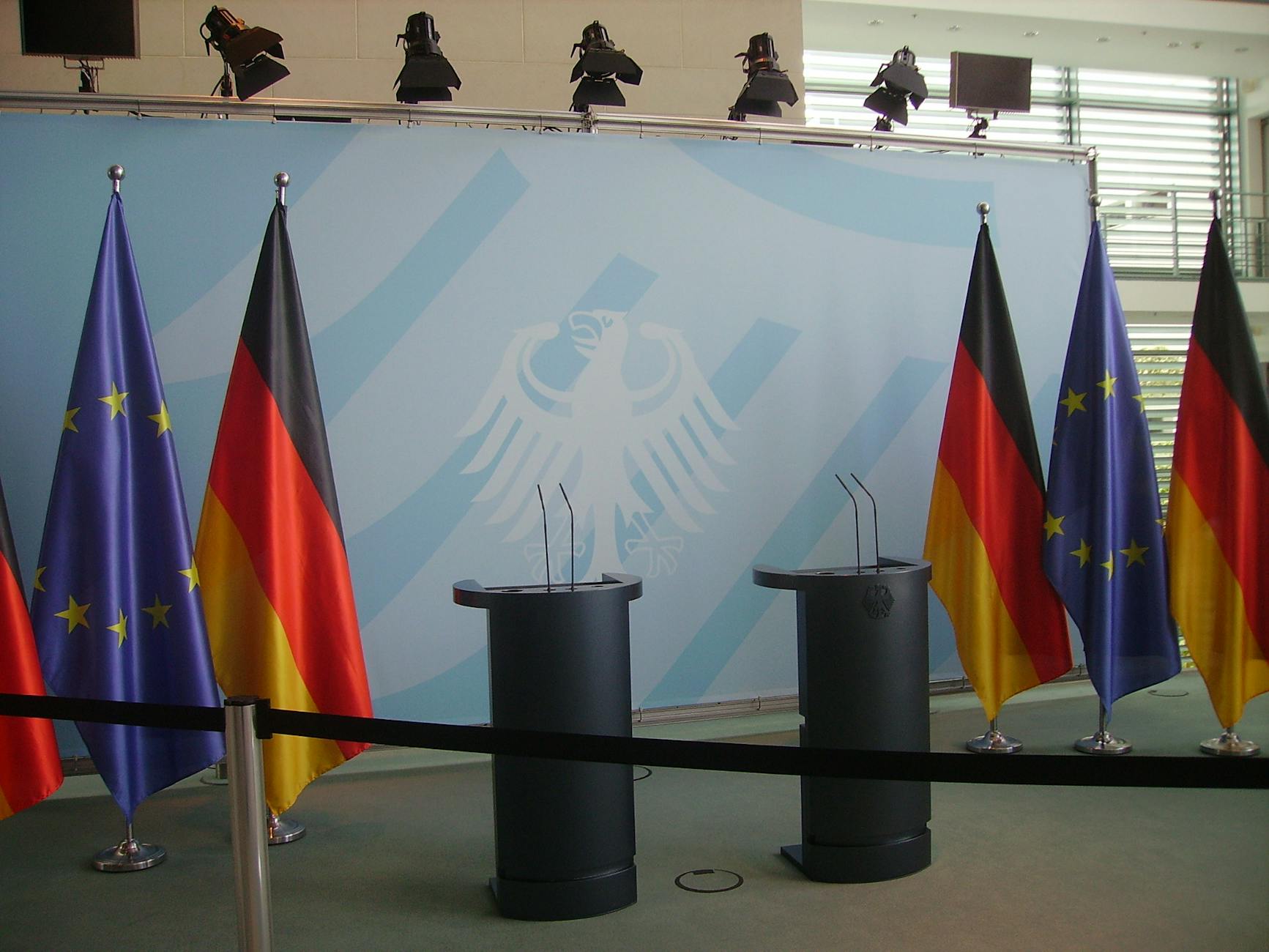
Photo by Wikimedia Commons on Pexels
Myth 2: Licensed Casinos Offer Worse Bonuses Than Offshore Sites — Partially True
The assumption that licensed German casinos provide inferior promotional offers compared to offshore operators contains a kernel of accuracy but overlooks critical context. German regulations cap welcome bonuses at €100 maximum and restrict multiple simultaneous promotions, whereas offshore casinos often advertise multi-thousand-euro welcome packages. However, the comparison fails to account for wagering requirements. German-licensed operators must disclose actual bonus value after rollover conditions, while many offshore platforms impose 40-50x wagering requirements that make large nominal bonuses nearly impossible to withdraw. Analysis of operator data from gambling.com shows that effective bonus value at licensed German casinos averages 87% after requirements, compared to 34% at typical offshore platforms. Players prioritizing genuine bonus extraction find licensed operators more favorable.
Myth 3: German Casino Regulations Are Temporary — Flat-Out False
Speculation persists that German gambling laws represent experimental legislation destined for reversal. The Interstate Treaty on Gambling received ratification from all 16 German federal states, with provisions extending through 2028 and automatic renewal mechanisms thereafter. The GGL's administrative infrastructure, including a 120-person enforcement team and real-time monitoring systems, represents permanent institutional investment. European Court of Justice rulings have consistently upheld member state authority to regulate online gambling markets. Germany's framework aligns with regulatory models in the Netherlands, Sweden, and Denmark, suggesting broader European convergence rather than German isolation. Operators and players can plan around stable, long-term regulatory conditions.
Photo by Markus Winkler on Pexels
What Actually Works in German Online Gambling
Successful engagement with licensed German gambling platforms requires understanding which strategies deliver genuine results. Deposit limit management consistently proves the most effective approach for sustainable play. The GGL mandates that all licensed operators offer daily, weekly, and monthly deposit caps, with players able to set self-imposed restrictions that cannot be overridden for 7 days. Game selection significantly impacts outcomes, as licensed slots must display verified return-to-player (RTP) percentages exceeding 86% as a minimum standard. Selecting games with RTP ratings above 95% improves expected value substantially over extended sessions. Utilizing reality-check notifications, which GGL licensees must provide at minimum 60-minute intervals, helps maintain awareness of session duration and expenditure.
What to Ignore When Evaluating German Gambling Options
Several marketing claims and community beliefs warrant dismissal when assessing gambling platforms. "No-verification withdrawal" promises often indicate unlicensed operations, as GGL requirements mandate identity verification before processing withdrawals exceeding €1,000. Guaranteed winning strategies advertised through affiliate sites lack mathematical foundation; no system overcomes house edge. Pressure tactics urging immediate deposit ("bonus expires in 2 hours") manipulate impulse decisions rather than representing genuine scarcity. Regulatory claims stating "licensed in Curacao" or "licensed in Malta" do not satisfy German legal requirements, which mandate GGL licensure specifically. Reviews claiming consistent daily profits typically originate from promotional content rather than verifiable user experiences.

Photo by Tara Winstead on Pexels
Players seeking reliable German gambling information should consult the GGL's official operator registry and verify license numbers directly. Understanding regulatory distinctions prevents costly mistakes and ensures access to consumer protections. The German gambling market continues maturing, with enforcement actions against unlicensed operators increasing 34% from 2024 to 2025, demonstrating commitment to player safety. Staying informed through authoritative sources rather than anecdotal forums provides the foundation for positive gambling experiences.
Frequently Asked Questions
Q: What is the GGL and why does it matter for German online gambling?
A: The Gemeinsame Glücksspielbehörde (GGL) is Germany's federal gambling regulator established in 2023. It licenses, monitors, and enforces compliance for all legal online gambling operators in the country. Playing at GGL-licensed casinos ensures consumer protection, fair odds verification, and secure payment processing under German law.
Q: How can I verify if an online casino is legally operating in Germany?
A: Check the GGL's official public registry at glücksspiel-behoerde.de, where all licensed operators are listed with their permit numbers. Legitimate casinos display their GGL license number in the website footer and footer links. Cross-reference this number against the official registry before registering or depositing.
Q: What is the difference between Online Spielotheken and Online Casinos in Germany?
A: Online Spielotheken (online gaming halls) in Germany specialize in virtual slot machines and arcade-style games, while Online Casinos offer a broader range including table games like roulette and blackjack. Both require GGL licensing and must adhere to identical player protection standards, including deposit limits and self-exclusion options.
Q: Are winnings from licensed German online casinos taxable?
A: Private gambling winnings in Germany are generally tax-free under the Gewerbesteuer regulations for individual players. Professional gamblers operating as businesses may face different tax obligations. Licensed German casinos do not withhold taxes on winnings, though players are responsible for reporting substantial consistent profits as personal income if applicable.
Q: What should I do if a licensed operator refuses to pay out my winnings?
A: Contact the operator's designated complaints department first, documenting all communication. If unresolved within 4 weeks, escalate to the GGL's player complaint system, which mediates disputes between licensees and players. The GGL can impose penalties including license revocation for operators found violating payout obligations.
Q: Can I self-exclude from all German gambling platforms simultaneously?
A: Yes, the OASIS self-exclusion system, administered by the GGL, allows players to exclude themselves from all licensed German gambling operators at once. Exclusion periods range from 3 months to lifetime, and once activated, licensed operators must block the player's access across their entire platform network within 24 hours.
Q: What deposit limits are mandatory at German licensed gambling sites?
A: GGL regulations require all licensed operators to offer deposit limits at three levels: daily, weekly, and monthly caps that players can self-impose. Operators must enforce these limits without exception, and any increase to limits requires a 7-day cooling-off period before taking effect, while decreases take effect immediately.