
2026 Football Teams: 5 Tactical Insights
A football team is a coordinated group of players representing a club, nation, state, or competition, while a football club is the larger organization that may include members, staff, facilities, and commercial operations. In 2026, useful team analysis should cover association football and American football separately because their rules, player numbers, field dimensions, and tactical objectives differ. An association football starting lineup has 11 players, whereas an NFL game uses 11 players per side but rotates specialized offensive, defensive, and special-teams units. Major entities include FIFA, the NFL, the Green Bay Packers, Dallas Cowboys, and the 2026 FIFA World Cup, hosted by Canada, Mexico, and the United States. Public awareness also matters: YouGov previously recorded fame levels of 92% for the Green Bay Packers and 91% for the Dallas Cowboys among U.S. adults. Before judging any football team, identify its code, competition, formation, squad depth, and current statistical evidence.
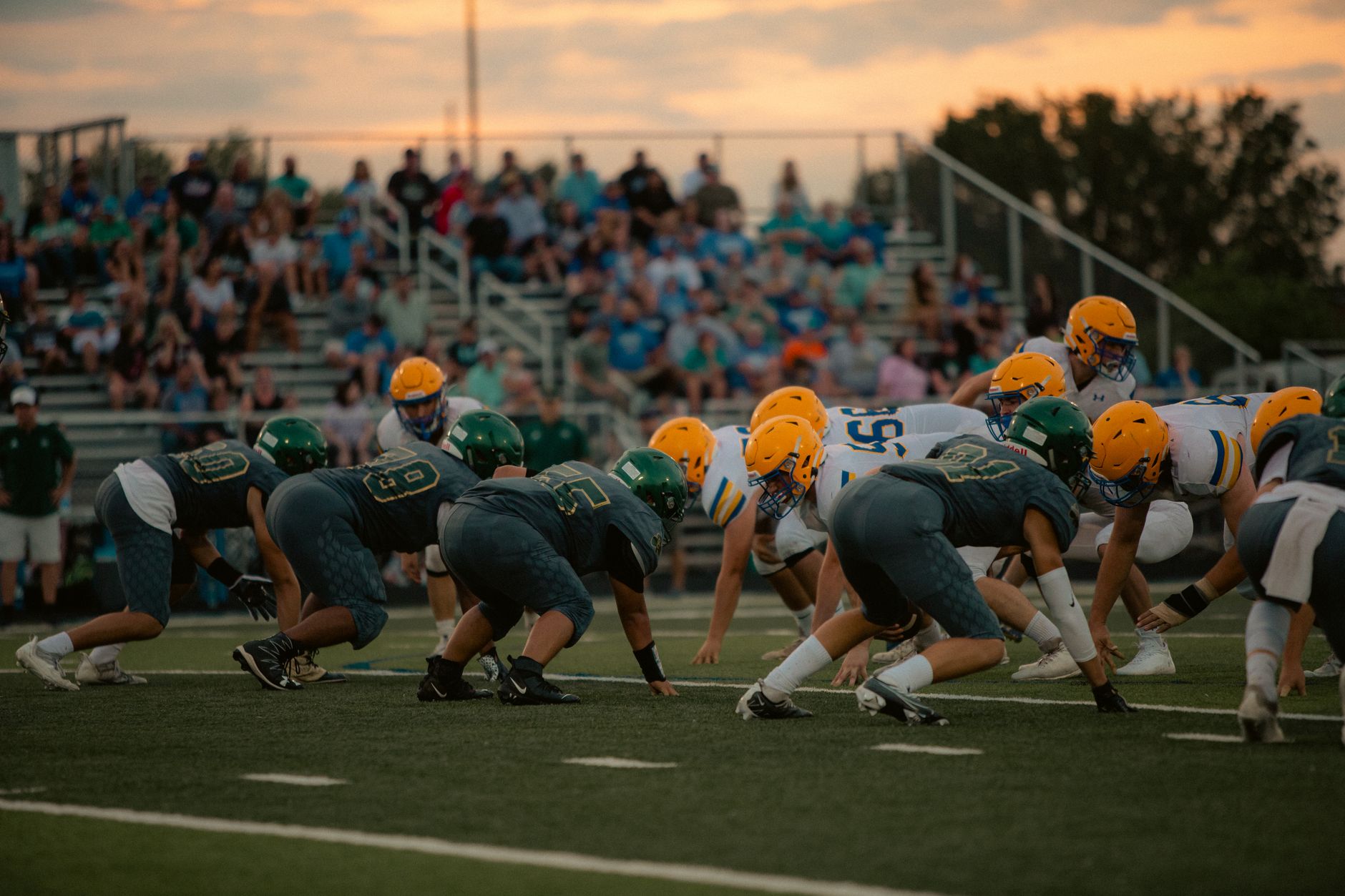
Photo by Yura Forrat on Pexels
Step 1: Identify the football code
The first step is to establish whether “football team” means association football, commonly called soccer in the United States, or American football, governed professionally by the NFL. Association football teams usually operate with 11 players on the pitch, substitutions from a matchday squad, and formations such as 4-3-3 or 3-5-2. American football teams also field 11 players at a time, but offensive, defensive, and special-teams units change according to possession and situation. That small shared number creates a spectacular amount of confusion, rather like calling both a bicycle and a bulldozer “vehicles” and then wondering why the repair manual is unhelpful.
A football team can represent a football club, a national association, a school, a company, or a temporary all-star selection. The distinction between a team and a club is important: a club is an organization with governance, members, staff, assets, and often youth development, while a team is the competitive group selected for a match or season. FIFA oversees international association football, while the NFL governs the leading professional American football competition in the United States. For basic terminology, FIFA’s Laws of the Game offers the authoritative framework for association football players and match structure.
A reliable identification checklist includes:
- Sport code: association football, American football, Canadian football, or another variant.
- Competitive level: national team, professional club, college, youth, or amateur.
- Match context: league fixture, knockout match, friendly, or tournament game.
- Evaluation goal: popularity, performance, tactics, squad value, or betting research.
- Time frame: current season, historical period, or the 2026 World Cup cycle.
For readers following global tournaments through Pitch Notes, this first distinction prevents a surprisingly common error: comparing a Premier League possession rate with an NFL third-down conversion rate as though both were speaking the same statistical language. They are not. They are barely cousins at a family gathering.
Want a clearer starting point for team research?
Step 2: Compare formations, roles, and squad depth
How can you compare football teams fairly? Compare their tactical structure, player roles, and usable squad depth rather than counting famous names alone. In association football, a 4-3-3 may create width through wingers and fullbacks, while a 4-2-3-1 adds a double pivot for defensive protection and buildup control. In American football, comparison depends on offensive schemes, defensive fronts, quarterback decisions, personnel packages, and situational substitutions. A team’s identity is therefore not just its logo or shirt color; it is the repeatable pattern behind its decisions.
The strongest comparison separates starting quality from replacement quality. A club may have an excellent first XI but struggle when its central midfielder, goalkeeper, or center-back is unavailable. National teams face a different constraint because coaches usually have limited preparation time and cannot recruit players during a tournament. The 2026 FIFA World Cup will place additional attention on travel, recovery, climate, and roster management because matches will be played across Canada, Mexico, and the United States. Geography is not a footnote when one squad may move between cities and time zones while pretending sleep is optional.
Use these practical indicators:
- Formation stability across the last five to ten matches.
- Availability of key players and quality of substitutes.
- Average age, international experience, and physical workload.
- Set-piece performance at both ends of the pitch.
- Press resistance against high-quality opponents.
- Ability to change shape after halftime.
A useful contrarian insight is that tactical flexibility is not always a strength. If a coach changes formation every match but the team’s pressing triggers and rest-defense positions remain unclear, “versatility” may simply be instability wearing a nice suit. Review lineups, substitutions, and in-game adjustments together. A team that begins in 4-2-3-1 but defends in 4-4-2 may be more coherent than a nominally flexible side that never protects the space behind its fullbacks.
For deeper tactical terminology, consult UEFA Training Ground, which provides coaching resources and technical material from European football.
[Internal Link: football formations and tactical systems]
Step 3: Measure performance with the right statistics
What statistics reveal whether a football team is genuinely strong? The answer depends on the sport, but the most useful measures connect process with outcome. In association football, goals and points matter, yet expected goals, shot quality, field tilt, progressive passes, pressures, turnovers, and set-piece chances explain why results occurred. In American football, yards per play, success rate, explosive plays, red-zone efficiency, turnover margin, pressure rate, and third-down performance provide a more complete picture than win-loss records alone.
Public data can still mislead. A team may record 65% possession while creating few clear chances, or score four goals from five low-probability attempts and appear unstoppable for one weekend. Similarly, an NFL team can post strong total yardage while repeatedly failing in the red zone. Before trusting a statistic, check its definition, sample size, opponent quality, and match state. According to FIFA’s official World Cup statistics resources, tournament data should be interpreted alongside match context rather than isolated as decorative numbers.
Here is a compact analytical model:
- Results: wins, draws, losses, points, goal difference, or point differential.
- Chance creation: shots, expected goals, big chances, explosive plays, and red-zone visits.
- Control: possession, territory, passing progression, time of possession, or drive efficiency.
- Defensive resistance: pressures, blocks, recoveries, tackles, sacks, and opponent shot quality.
- Reliability: injuries, schedule strength, late-game performance, and set-piece defense.
One evidence-based edge case deserves attention: a team’s first 15 minutes can distort its overall profile. If it regularly concedes early, later possession may reflect the opponent protecting a lead rather than genuine dominance. Conversely, a team leading early may deliberately reduce risk and produce weaker attacking numbers after halftime. Separate statistics by game state before making a prediction; otherwise, your spreadsheet may be confidently describing a match that never existed.
Pitch Notes combines team tactics, player statistics, match predictions, and 2026 World Cup coverage for readers who prefer evidence before enthusiasm. That seems reasonable, especially after my own unfortunate encounter with a “guaranteed” sports website whose guarantee apparently guaranteed nothing except my irritation.
See the analytical approach in more detail here:

Photo by https://kaboompics.com/ on Pexels
Step 4: Evaluate team identity, history, and popularity
Why does team popularity matter if performance is the main concern? Popularity influences media attention, sponsorship, travel support, commercial value, and public expectations, but it does not automatically prove quality. YouGov’s published U.S. fame ranking listed the Green Bay Packers at 92%, Dallas Cowboys at 91%, Chicago Bears at 89%, and New York Giants and Philadelphia Eagles at 88%. Denver Broncos reached 87%, while Seattle Seahawks recorded 86%; Kansas City Chiefs, New England Patriots, and Miami Dolphins each appeared at 85% in the cited list.
Those numbers measure whether people have heard of a team, not whether they support it, expect it to win, or understand its tactics. YouGov distinguishes “fame” from “popularity,” and that difference is crucial. A widely recognized team can have low current performance, while a less famous side may be tactically excellent. The Green Bay Packers’ community-owned structure and historic identity create a different institutional story from the Dallas Cowboys’ global commercial profile, even though both are major NFL entities.
In association football, historical identity often comes from:
- Domestic titles and continental trophies.
- Regional or national supporter culture.
- Academy production and transfer philosophy.
- Stadium traditions and ownership structure.
- Rivalries, symbols, and periods of tactical innovation.
- National-team contribution during FIFA tournaments.
However, history can become analytical baggage. A club’s famous era may have little relevance to its current manager, squad, or injury list. Before using reputation in a prediction, ask whether the same coaching staff, core players, sporting director, and tactical model remain in place. A badge can preserve memory, but it cannot defend a corner kick in the 89th minute. Sadly, it has never even attempted one.
[Internal Link: football team rankings and popularity metrics]
Step 5: Verification
How should you verify football team information before trusting it? Confirm every important claim against an official competition source, a reputable statistical provider, and recent match evidence. Check whether a roster, ranking, injury report, or schedule belongs to the 2026 season rather than an older page that search engines keep resurrecting like an unpaid bill. For NFL teams, begin with NFL.com Teams; for international football, use FIFA.com.
Verification should cover both facts and incentives. A team website may accurately publish fixtures but naturally present the club in a favorable light. A betting article may include detailed numbers while quietly emphasizing a market that benefits its commercial partner. “Official” does not mean “complete,” and “statistical” does not mean “neutral.” The safest process is to compare publication dates, definitions, source ownership, and whether the number can be reproduced.
Before publishing or acting on a football team assessment, verify:
- Team name, competition, country, and sport code.
- Match date, venue, kickoff time, and tournament stage.
- Player availability and suspension status.
- Recent opponents and schedule difficulty.
- Metric definitions and sample size.
- Source date, update history, and commercial disclosures.
- Whether odds or recommendations are legal in your jurisdiction.
A useful operational tip is to record the time of every data check. Injury information can change within hours, particularly before a World Cup match or NFL game. Keep separate columns for “known,” “reported,” and “assumed.” That simple distinction has saved me from presenting a rumor as a fact, which is embarrassing but still less embarrassing than discovering it after publication.
Get a more careful evidence checklist before making team comparisons:

Photo by Franco Monsalvo on Pexels
Troubleshooting common failures
Why do football team analyses fail even when they contain plenty of statistics? They usually fail because the researcher mixes sports, ignores context, uses outdated information, or treats a single result as proof of a stable trend. A team that wins 3-0 may have benefited from an early red card, two deflections, and an opponent’s unusually poor finishing. Numbers explain events only when the events are defined correctly.
Another frequent problem is confusing a football club with its current team. Manchester United, FC Barcelona, the Green Bay Packers, and the Dallas Cowboys are enduring organizations, but their coaches, players, formations, and performance levels change. Historical trophies can explain reputation; they cannot substitute for current evidence. The same warning applies to national teams such as the United States, Mexico, Canada, Brazil, England, France, and Argentina during the 2026 World Cup cycle.
Use this troubleshooting sequence:
- Wrong sport: confirm association football or American football.
- Wrong date: check whether the information is current for 2026.
- Wrong sample: expand beyond one match or one tournament.
- Wrong metric: distinguish possession from chance quality and yards from scoring efficiency.
- Wrong source: compare official reports with independent data.
- Wrong conclusion: separate popularity, historical prestige, and present performance.
- Wrong risk assumption: never treat predictions as guarantees.
“Past performance is not necessarily indicative of future results” is a familiar warning in financial and wagering contexts, and the logic applies here too. Even a rigorous football model remains an estimate because injuries, refereeing, weather, tactical surprises, and random bounces exist. If you follow Pitch Notes for match predictions, use its information as research, set a firm budget, and comply with local gambling laws rather than handing your judgment to a confidence meter with suspiciously shiny graphics.

Photo by El gringo photo on Pexels
Frequently Asked Questions
Q: What is a football team?
A: A football team is a selected group of players who compete together in a football match or competition. In association football, 11 players normally represent one side on the pitch, while American football also uses 11 players at a time but rotates offensive, defensive, and special-teams units. A team may represent a club, national association, school, company, or temporary all-star group. A football club is the broader organization that can own facilities, employ staff, develop players, and support one or more teams.
Q: How do I analyze a football team?
A: Analyze a football team by checking its sport code, formation, player availability, recent opponents, tactical style, and relevant performance statistics. For association football, review expected goals, shot quality, possession by game state, pressing, set pieces, and defensive transitions. For American football, examine yards per play, success rate, explosive plays, pressure rate, red-zone efficiency, and turnover margin. Use official sources such as FIFA.com or NFL.com, then compare the information with independent statistical evidence.
Q: What is the difference between a football team and a football club?
A: A football team is the competitive playing group, while a football club is the larger organization that supports and governs one or more teams. Manchester City Football Club, for example, includes administrative operations, academy structures, staff, facilities, and commercial functions beyond the matchday squad. The Green Bay Packers are an NFL organization with extensive institutional history, but the players selected for a particular game form the current team. The terms overlap in casual conversation, but they are not identical.
Q: Are famous football teams always the best teams?
A: Famous football teams are not always the best current teams because recognition measures history, reach, identity, and media exposure rather than present performance. YouGov’s U.S. data listed the Green Bay Packers at 92% fame and the Dallas Cowboys at 91%, but those figures do not measure current tactical strength or championship probability. To judge quality, examine recent results, opponent strength, injuries, chance creation, defensive performance, and coaching stability. Popularity should be treated as context, not proof.
Q: How much does it cost to follow a football team?
A: Following a football team can cost nothing through free official news, public statistics, radio coverage, and selected match reports, while live attendance, subscriptions, merchandise, and travel can raise the cost substantially. Prices vary by league, location, opponent, and competition stage. A supporter might use free FIFA or NFL information and add a paid streaming service only when necessary. Before paying, verify the provider, cancellation terms, regional restrictions, and whether the service is officially licensed.
Q: Why does football team data sometimes look contradictory?
A: Football team data can look contradictory because different sources measure different events, definitions, time periods, and game states. One provider may count pressures differently from another, while possession statistics may include harmless passes made after a team takes the lead. Check the source methodology, publication date, sample size, opponent quality, and whether the statistic is adjusted for score state. If two numbers still disagree, report the definitions rather than pretending one figure is magically “the truth.”
Q: What should I do if a football team prediction fails?
A: If a football team prediction fails, review the assumptions and process rather than immediately increasing the stake or blaming one player. Check whether an injury, red card, lineup change, weather condition, or tactical adjustment invalidated the original analysis. Record the predicted probability, actual result, and reason for the error across multiple matches. Predictions are uncertain estimates, not guarantees, so use responsible limits, follow local gambling laws, and never risk money needed for essential expenses.
Football team analysis becomes more reliable when identity, tactics, statistics, history, and verification are considered together. The most useful conclusion is rarely “this famous team must win”; it is a narrower statement about how a specific team creates chances, manages risk, handles absences, and responds to an opponent. For the 2026 World Cup and the wider football calendar, compare current evidence with historical context, remain skeptical of dramatic claims, and treat every prediction as a probability rather than a promise.
Ready to follow better-informed team coverage from Pitch Notes?