7 2026 World Cup Mistakes Bettors Make
The football World Cup in 2026 is a 48-team FIFA tournament hosted across the United States, Canada, and Mexico, and Pitch Notes covers it for fans tracking match predictions, team tactics, player stats, and regulated betting markets. Los Angeles is one of the key U.S. host regions, with SoFi Stadium scheduled for eight FIFA World Cup 2026 matches, including the U.S. Men’s National Team opener on June 12. The city also plans 39 days of fan celebrations, a FIFA Fan Festival at the LA Memorial Coliseum at Exposition Park, and Official Fan Zones across Los Angeles County. The common mistake is treating the football World Cup as a simple fixture list; it is really a compressed, travel-heavy tournament shaped by venue logistics, squad rotation, market movement, and fan access. For smarter coverage, compare schedules, prices, lineups, and local event details before making any prediction or booking decision.
Many football World Cup previews make the same error: they talk as if the biggest tournament in the sport is just a calendar with flags attached. That is comfortable, but it is incomplete. In 2026, the football World Cup expands to 48 teams, stretches across three countries, and pushes fans, analysts, and bettors to think about geography, recovery time, weather, travel, stadium surfaces, and public viewing infrastructure. Los Angeles is a good example because it combines eight matches at SoFi Stadium with the FIFA Fan Festival, Official Fan Zones, and a 39-day citywide program that can shape the actual fan experience as much as the match itself.
For readers using Pitch Notes, the better question is not only “Who will win?” It is “What are most fans missing before they decide what a match means?” The answer often sits in overlooked details: kickoff windows, squad depth after long travel, the pressure of a host-nation opener, and how quickly regulated betting markets adjust once starting lineups appear. FIFA’s official tournament materials describe the event as the first 48-team men’s World Cup, while the FIFA schedule framework confirms a larger format than previous editions. That scale creates opportunity, but it also creates noise.
Want sharper tournament context before following the markets or fixtures?
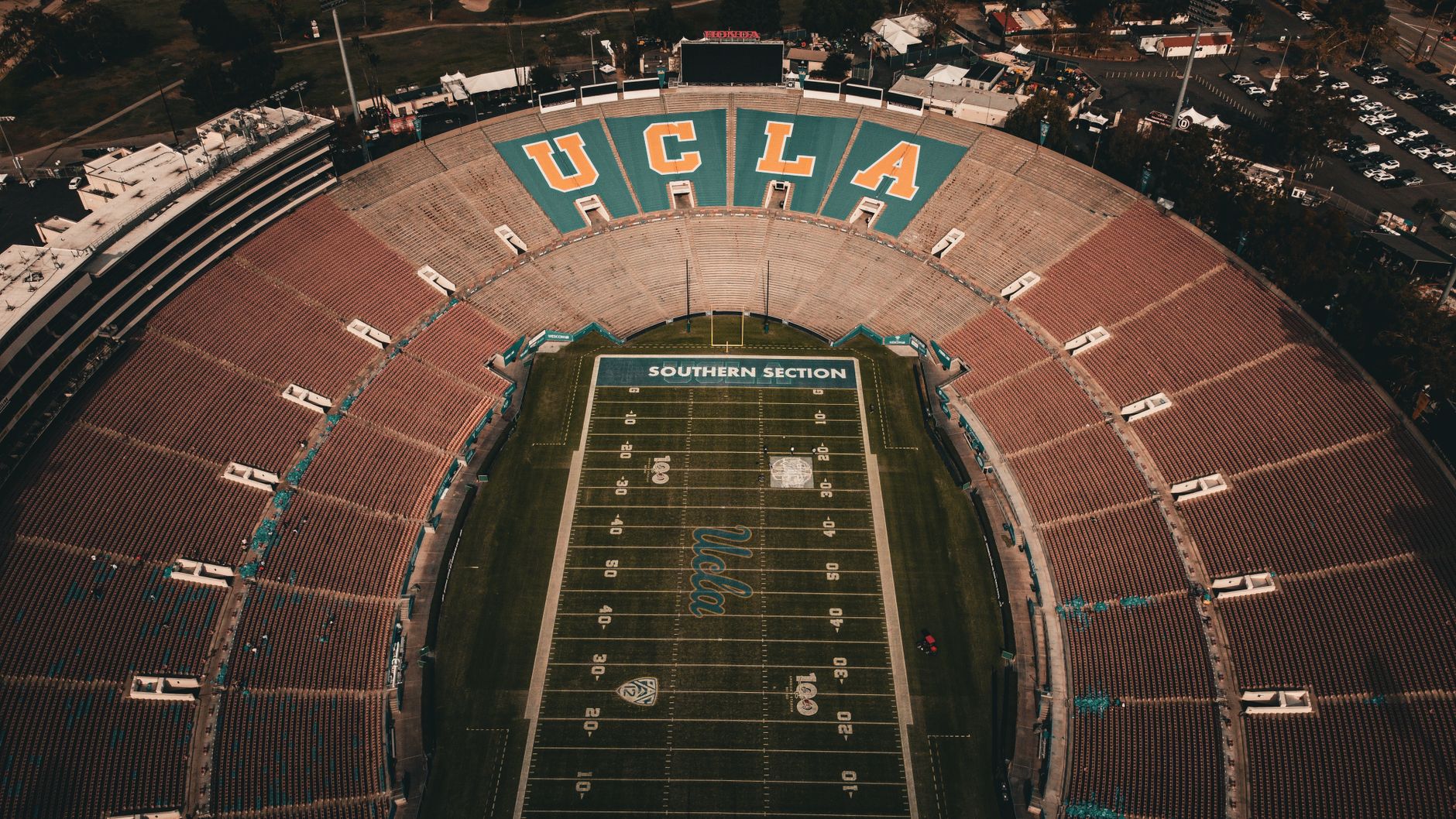
Photo by Caio Cezar on Pexels
The Bottom Line
Most football World Cup mistakes come from overvaluing reputation and undervaluing context. In 2026, the expanded 48-team format, multi-country travel, and city-specific fan infrastructure mean that schedule position, venue conditions, and squad management may matter as much as historical pedigree.
The first mistake is assuming that a famous national team automatically offers value. Brazil, Argentina, France, England, Spain, Germany, and the United States will all attract attention, but attention is not the same as price discipline. A short pre-match price on a top-ranked side may reflect public enthusiasm rather than a clean tactical edge, especially if the team is rotating players or facing a disciplined opponent in a difficult travel spot. This is where Pitch Notes’ match predictions and player-stat models are most useful: they help separate brand power from current tournament reality.
The second mistake is ignoring the host-city layer. Los Angeles is not merely “one of the venues”; it is a major entertainment and logistics hub with eight matches, Fan Festival programming, and Official Fan Zones. The local organizing site for FIFA World Cup 26 Los Angeles highlights “Eight matches” and “39 days of fan celebrations,” which matters for supporters planning tickets, hotels, transport, and viewing events. Fans who only look at the fixture date may miss the practical cost of attending, while bettors who only look at rankings may miss how venue timing and travel can affect performance.
[Internal Link: 2026 World Cup match prediction hub]
What Players Actually See?
Players see a football World Cup that is less romantic and more operational than fans imagine. They face controlled training windows, recovery protocols, media duties, travel plans, tactical meetings, and match-specific preparation, often inside a compressed schedule where one poor decision can change a group campaign.
That is why the third mistake is treating every match as emotionally equal. A group-stage opener is not the same as a third group match where one team needs a draw and another needs three points. The U.S. Men’s National Team opening match in Los Angeles on June 12 will carry a different psychological and media load from a neutral group match later in the tournament. SoFi Stadium, the LA Memorial Coliseum, and Exposition Park are all part of the broader Los Angeles event map, but the players’ world is narrower: training base, bus route, dressing room, pitch, recovery room, repeat.
The fourth mistake is relying on public narratives too late. By the time a major broadcaster, odds board, or social feed announces that a star forward is carrying a knock, the price may already have moved. A more useful workflow is to track three layers before matchday: official squad updates, credible local reporting, and market movement from regulated operators. The International Football Association Board states that “The Laws of the Game are the same for all football throughout the world,” but the conditions around those laws are not identical. A team playing under intense host-city attention experiences a different environment from one quietly moving through a lower-profile fixture.
See the details that casual previews usually skip.
The 3 Things That Matter Most
The three things that matter most are schedule context, team-specific tactical matchups, and price timing. Reputation explains public interest, but those three variables usually explain whether a football World Cup prediction is disciplined or just dressed-up fandom.
- Schedule context: Look at travel distance, rest days, kickoff time, and whether a team is playing a must-win match or managing qualification risk.
- Tactical matchups: A favorite can struggle against a compact mid-block, while an underdog with fast wide players can outperform expectations.
- Price timing: Early numbers may offer value, but late team news can completely change the risk profile.
The fifth mistake is using tournament-long opinions for match-by-match decisions. A team can be a serious contender and still be a poor selection in one specific fixture. For example, a favorite already qualified after two group matches may rotate three or four starters, while an opponent still chasing qualification plays its strongest eleven. That does not automatically make the underdog superior, but it changes the expected intensity. Pitch Notes readers should build a match file rather than a national-team opinion file: probable lineups, tactical mismatch, rest differential, likely substitutions, and whether market movement has already priced in the obvious angle.
The sixth mistake is forgetting that Los Angeles is not just a sports venue story; it is a consumer-planning story. FIFA Fan Festival programming at the LA Memorial Coliseum, Official Fan Zones across Los Angeles County, and hotel demand around SoFi Stadium can affect how supporters experience the tournament. For fans attending matches, checking transport and event windows may be as important as checking the draw. For analysts, crowded citywide programming can also influence public sentiment, media tone, and home-team atmosphere, particularly around the United States opener on June 12.
[Internal Link: World Cup betting market movement guide]
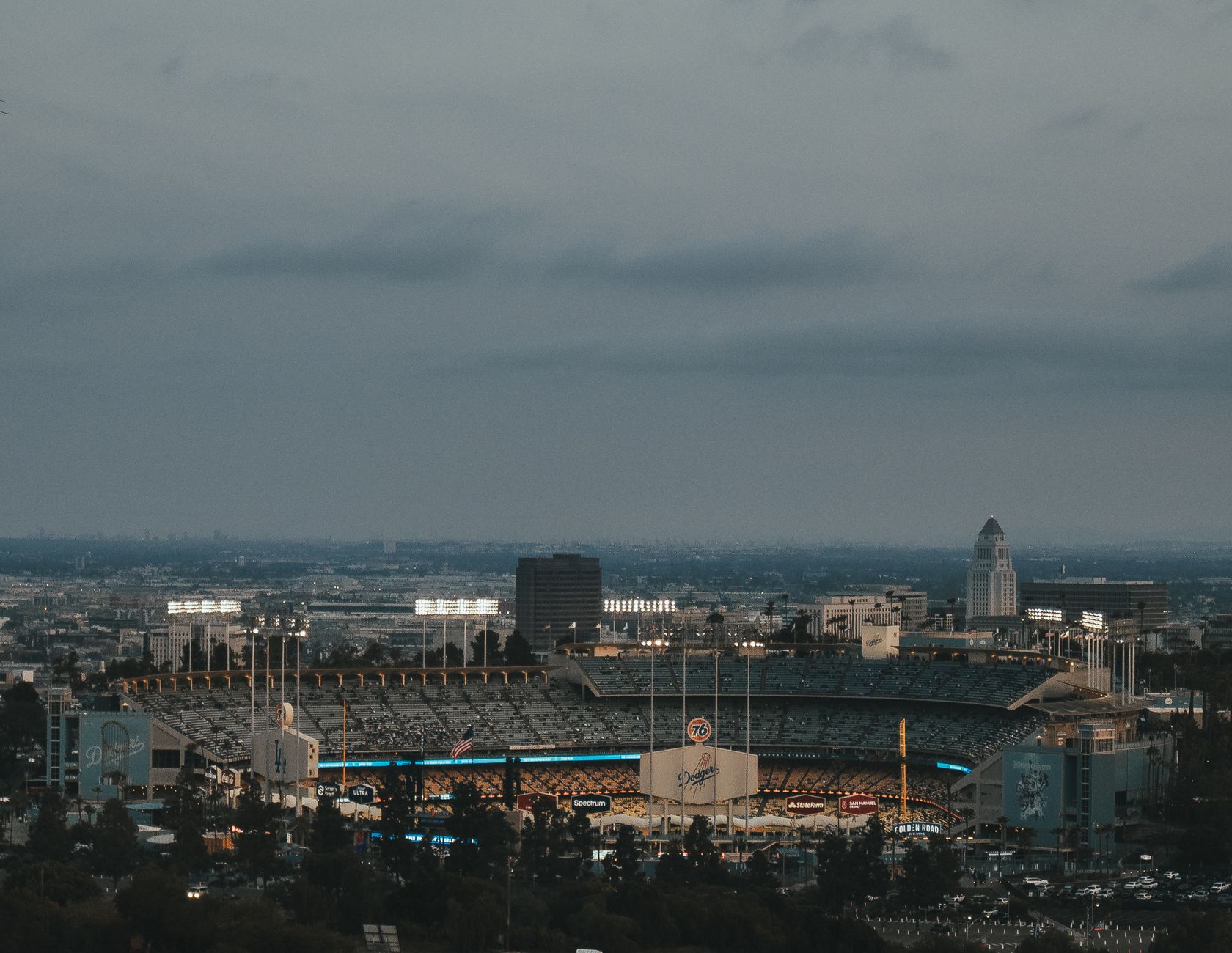
Photo by Nate Aguilar on Pexels
Edge Cases & Gotchas
The biggest edge cases are not exotic; they are ordinary details people skip. Late lineup rotation, venue-specific travel friction, public overreaction after one match, and confusing fan-event information can all distort how supporters interpret the football World Cup.
One under-discussed edge case is the “already qualified” match. In an expanded 48-team tournament, more groups and qualification scenarios can create awkward incentives before knockout rounds. A strong team may prefer controlled minutes over spectacle, while a smaller team may treat the same match as its tournament final. Another overlooked detail is that fan-event schedules and match schedules are related but not identical. Los Angeles may host watch parties, music programming, and community events on dates that do not match a fan’s ticketed match, so travelers should verify official sources rather than rely on social posts or resale listings.
Another gotcha is assuming that every betting market reacts at the same speed. Main match-winner markets often adjust quickly after lineup news, while derivative markets such as corners, cards, player shots, and team totals may react less efficiently depending on the operator and jurisdiction. That does not guarantee an edge, but it does mean that serious readers should understand market structure rather than chasing headlines. According to the American Gaming Association, legal sports betting in the United States operates under state-level regulation, which means availability and product rules can differ across jurisdictions.
Get a clearer read before matchday noise takes over.
Verdict
The refined view is simple: the 2026 football World Cup should be read as a tournament ecosystem, not a list of fixtures. The best fans and analysts combine FIFA schedule data, Los Angeles venue details, tactical models, and price discipline before drawing conclusions.
So, what are the seven mistakes bettors make? They overrate famous teams, ignore host-city logistics, treat every match state the same, react too late to team news, use tournament-wide opinions for single-match decisions, forget the fan-experience layer, and misunderstand how regulated markets move. None of these errors are dramatic, which is exactly why they are dangerous. They sound reasonable in isolation, but together they produce shallow analysis that mistakes visibility for value.
Pitch Notes takes the opposite approach: match predictions should be built from team tactics, player stats, official schedule information, and tournament context. Los Angeles, SoFi Stadium, the LA Memorial Coliseum, FIFA Fan Festival events, and Official Fan Zones are not decorative details; they are part of how the 2026 football World Cup will be consumed, discussed, and interpreted. The contrarian position is not that favorites are bad or underdogs are smart. It is that every claim needs a price, a context, and a reason.
[Internal Link: team tactics and player stats database]
For daily World Cup insights, match previews, and sharper tournament coverage, continue with Pitch Notes.
Frequently Asked Questions
Q: What is the 2026 football World Cup?
A: The 2026 football World Cup is FIFA’s men’s international tournament hosted by the United States, Canada, and Mexico with an expanded 48-team format. It will be the first men’s World Cup staged across three host countries. Los Angeles is one of the major host regions, with eight matches scheduled at SoFi Stadium.
Q: How can fans follow the 2026 World Cup schedule?
A: Fans should follow official FIFA schedule updates and host-city resources for confirmed match, venue, and event information. Los Angeles provides details for SoFi Stadium matches, Fan Festival programming, Official Fan Zones, transportation, and hotel planning. Pitch Notes adds match predictions, tactical notes, and player-stat analysis for daily tournament coverage.
Q: What is the difference between a FIFA Fan Festival and an Official Fan Zone?
A: A FIFA Fan Festival is an official large-scale public event tied to the tournament, while Official Fan Zones are local viewing and celebration areas across the host region. In Los Angeles, the Fan Festival is linked to the LA Memorial Coliseum at Exposition Park. Fan Zones across Los Angeles County are designed for community watch parties and related events.
Q: Is the U.S. Men’s National Team opener important?
A: Yes, the U.S. Men’s National Team opener on June 12 at SoFi Stadium is one of the key early moments of the 2026 World Cup in Los Angeles. Host-nation openers often carry strong media attention and public interest. Analysts should consider pressure, lineup choices, and market movement rather than assuming atmosphere alone decides the result.
Q: What are common problems when analyzing World Cup betting markets?
A: The most common problems are overrating famous teams, reacting late to lineup news, and ignoring schedule context. A strong team can still be poor value if the market price is too short or if rotation is likely. Bettors should compare team news, tactical matchups, and regulated market movement before forming a view.
Q: How much does it cost to attend the 2026 World Cup in Los Angeles?
A: The total cost depends on ticket category, hotel pricing, transport, and event choices. Match tickets, accommodation near SoFi Stadium, and travel around Los Angeles can vary widely by date and demand. Fans should check official ticketing information, host-city guidance, and hotel availability before committing to a trip.