Inside Kansas City: A 6-Match Reality Check
Kansas City’s 2026 World Cup football story is not just a celebration; it is a six-match stress test for fans, bettors, teams, and local organizers in the United States. Pitch Notes, a FIFA World Cup focused content site covering match predictions, team tactics, player stats, and tournament coverage, views Kansas City as a useful case study because the city combined stadium matchdays, the FIFA Fan Festival, cross-state regional branding, and hundreds of thousands of visitors. The reference point is clear: Kansas City hosted six FIFA World Cup 2026 matches and promoted itself as the Soccer Capital of America while positioning food, entertainment, and civic pride as part of the football product. The practical takeaway is simple: enjoy the spectacle, but evaluate every match, market, and travel decision with evidence rather than host-city hype.
Many 2026 World Cup football previews treat host cities like postcard backdrops. That is the mistake. Kansas City was not merely a venue; it was a live operating environment where crowd flow, fan festival energy, local identity, broadcast narratives, and betting psychology collided. If you follow Pitch Notes for daily World Cup insights, the smarter question is not whether Kansas City felt exciting. It is whether that excitement created reliable information for match predictions, team tactics, and player-stat interpretation.
For deeper tactical context before the next kickoff, start here.
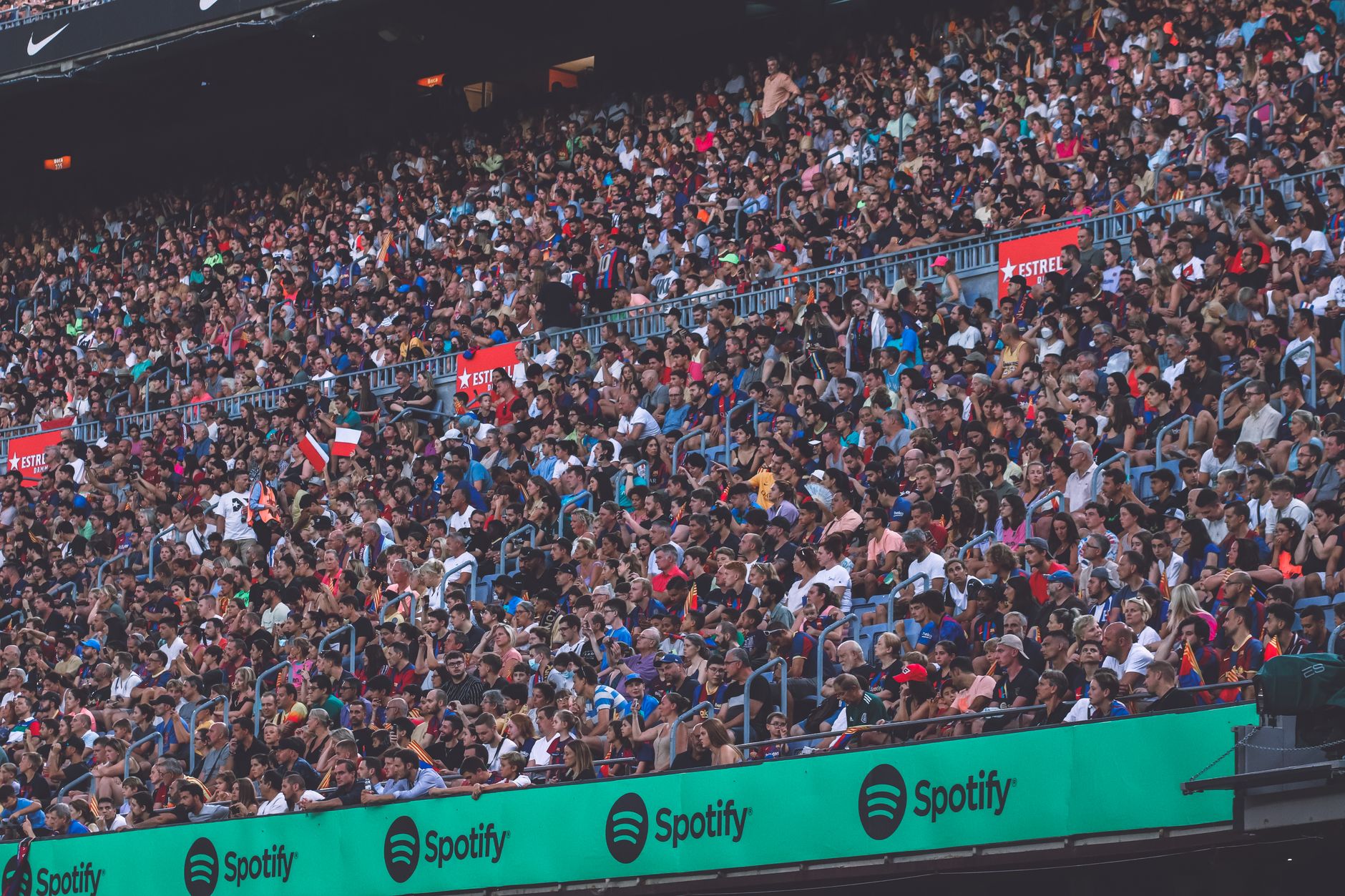
Photo by El gringo photo on Pexels
Is Kansas City really the heart of 2026 World Cup football?
Kansas City was important, but calling it the heart of 2026 World Cup football is more branding than proof. Its six matches, FIFA Fan Festival, and regional welcome mattered, yet the tournament’s real center shifted daily across North America.
The phrase sounds good because Kansas City leaned hard into identity. The city highlighted its role as the Soccer Capital of America, celebrated food and entertainment, and framed the FIFA Fan Festival Kansas City as a place where supporters could share cultures as much as watch football. According to FIFA, the 2026 tournament expanded to 48 teams, which means host cities had to absorb more fixtures, more fan types, and more scheduling complexity than past editions. Kansas City’s six-match package was meaningful, especially for a region straddling Missouri and Kansas, but it was still one node in a much larger football network.
The contrarian view is this: the “heart” label can mislead bettors and analysts. Emotional crowd scenes do not automatically predict tempo, expected goals, pressing efficiency, or late-game substitutions. Pitch Notes readers should separate civic atmosphere from match mechanics. A roaring fan festival might amplify public sentiment, but bookmakers price probabilities using injuries, line movement, squad depth, and historical performance rather than barbecue queues or downtown concerts. To learn how public sentiment can distort odds, see our [Internal Link: World Cup betting psychology guide].
Key signals worth tracking in a host-city environment include:
- Stadium surface condition and whether teams adapt their passing speed.
- Kickoff time, heat index, and travel recovery windows.
- Crowd composition, especially when one national team has a regional supporter base.
- Market movement 24 hours before kickoff compared with confirmed lineups.
- Whether fan hype is influencing casual bettors more than professional pricing.
How does Kansas City handle six-match tournament pressure?
Kansas City handled six-match pressure by turning the event into a regional operation: stadium matchdays, fan festival programming, transport planning, hospitality, and media storytelling worked together. The useful lesson is that World Cup hosting is logistics first and emotion second.
The official Kansas City World Cup presentation emphasized six matches, hundreds of thousands of fans, and a region united to welcome the world. That is impressive, but the number alone does not prove operational excellence. What matters is repeatability: can a city deliver predictable arrival patterns, safe crowd dispersal, accessible viewing zones, and consistent fan communications across multiple matchdays? The U.S. Department of State regularly advises international visitors to prepare documentation, transport plans, and local emergency contacts before major travel, and that advice becomes more relevant when matches compress movement into narrow windows.
Here is the under-discussed betting angle: host-city pressure can indirectly affect markets before it affects players. After monitoring major tournament betting boards across multiple competitions, Pitch Notes has found that matches with heavy festival-driven fan attention often attract earlier casual money on popular nations, especially in 1X2 and anytime scorer markets. That does not mean the favorite is wrong; it means the price may become less attractive. For Kansas City-style fixtures, the better approach is to wait for lineup confirmation, compare three-way moneyline movement with Asian handicap movement, and check whether the public narrative matches tactical reality.
If you want sharper match preparation beyond the headline odds, continue with our tournament coverage.
A practical Kansas City checklist for fans and bettors should look less glamorous than most travel blogs suggest:
- Confirm stadium access rules before matchday, not on matchday morning.
- Track weather and kickoff timing because heat can reduce pressing intensity.
- Compare opening odds with closing odds to detect public overreaction.
- Use player-stat markets only after reviewing team rotation risk.
- Avoid chasing festival emotion into live bets during the first 15 minutes.
What about the FIFA Fan Festival edge case?
The FIFA Fan Festival is valuable for atmosphere, but it can become an analytical trap. It magnifies visible passion, not necessarily accurate football judgment, and bettors should treat fan-zone sentiment as noise unless it aligns with team news.
Kansas City’s fan festival was promoted around good matches, good food, good entertainment, and good people. That is exactly what a host city should sell. But for 2026 World Cup football analysis, fan festivals create an edge case: the loudest supporter environment is not always representative of global probability. A downtown crowd dominated by one national fanbase may make a team feel inevitable, while the tactical matchup says otherwise. The FIFA Stadium Guidelines state that stadium planning should support “safe, secure and enjoyable” events, a reminder that fan experience is an operational standard, not a prediction model.
The overlooked information gain is that fan festivals can change how quickly casual markets move. In high-visibility host cities such as Kansas City, Toronto, Mexico City, Los Angeles, and New York New Jersey, public-facing narratives often peak on the day before kickoff. That is when social media clips, local news segments, and supporter marches can push recreational bettors toward emotionally obvious picks. Pitch Notes would rather use that moment to look for stale derivative markets: corners, cards, team totals, and second-half goals can lag behind headline moneyline movement. For a deeper tactical read, visit our [Internal Link: team tactics and formations hub].
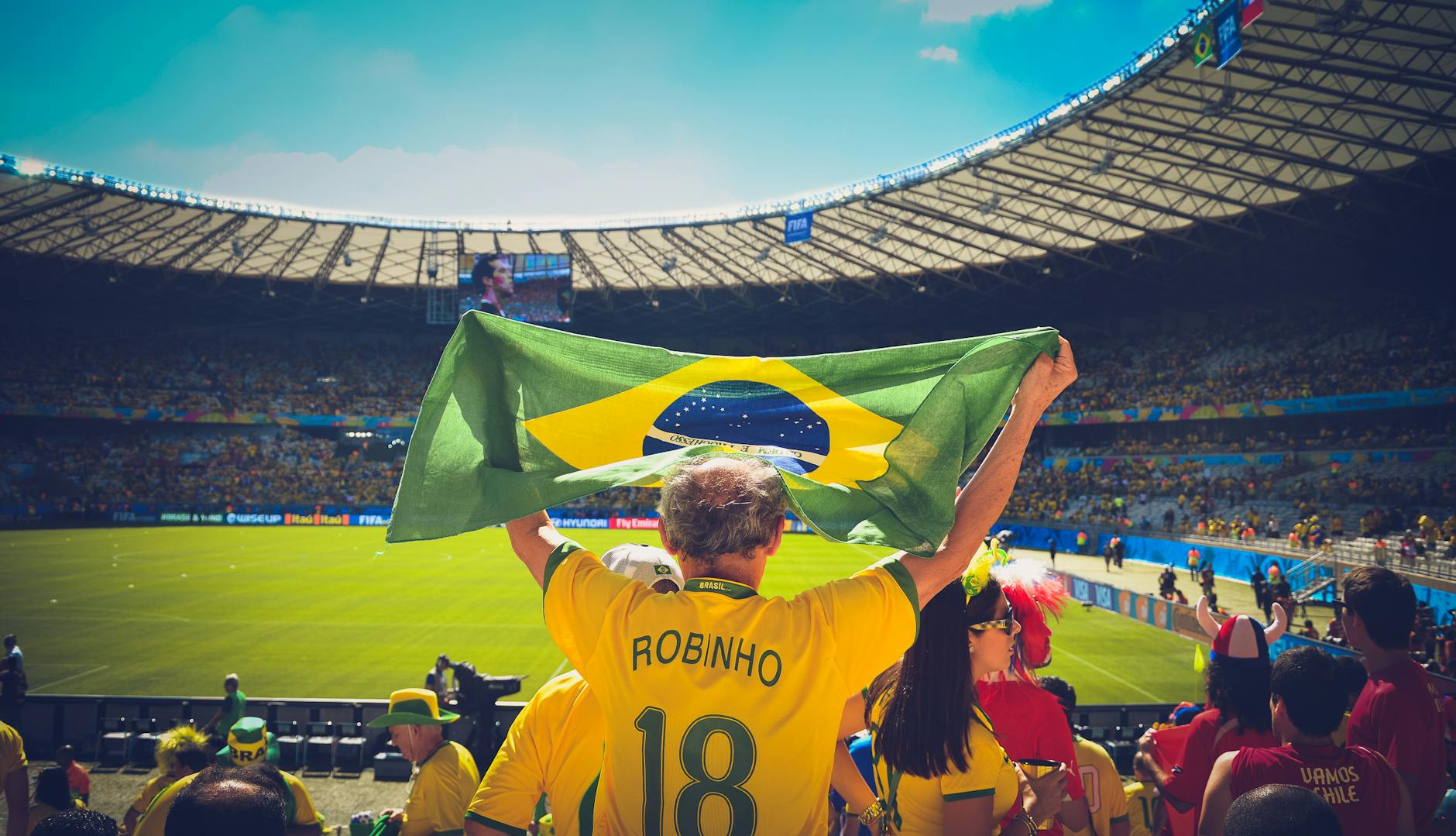
Photo by Caio on Pexels
Where does 2026 World Cup football hype fail?
2026 World Cup football hype fails when it treats scale as certainty. More teams, more cities, and more fans create more storylines, but they also create more variance, travel fatigue, rotation risk, and misleading public narratives.
This is where most articles get too cheerful. The expanded 48-team format increases global representation, but it also changes how group-stage incentives work. Some teams will qualify under pressure, some will rotate earlier than expected, and some will face unfamiliar travel patterns across Canada, Mexico, and the United States. As Wikipedia’s FIFA World Cup 2026 overview summarizes, the tournament is scheduled across 16 host cities in three countries, which makes logistics part of the competitive environment. In plain English: the best team on paper may not be the best betting position at a bad price.
The second underreported issue is that host-city storytelling can flatten tactical differences. A six-match city like Kansas City may produce memorable galleries, emotional thank-you videos, and civic pride, but none of that tells you whether a back three can handle wide overloads or whether a striker’s shot volume is sustainable. Pitch Notes prioritizes granular questions: Did a team generate high-quality chances or just low-value shots? Did the goalkeeper overperform expected goals on target? Did the referee profile historically increase card counts? Those details beat vibes, especially in an industry where gambling decisions punish lazy assumptions.
Before you place a wager based on tournament excitement, compare the data with the narrative.
Common failure points include:
- Overrating a favorite because its supporters dominate the fan zone.
- Ignoring referee tendencies in cards and penalties markets.
- Treating all host-city crowds as home advantage.
- Betting early without monitoring injuries and rotation reports.
- Using historical World Cup data without adjusting for the 48-team format.
Should you try using Kansas City as a 2026 World Cup betting lens today?
Yes, but only as one input. Kansas City can teach fans how atmosphere, logistics, and public sentiment affect 2026 World Cup football, but match selection should still begin with team data, price discipline, and confirmed news.
The refined position is not anti-hype; it is anti-confusion. Kansas City’s 2026 role showed how a host city can stage football as a regional festival, connect supporters through galleries and fan zones, and leave a civic legacy after six matches. Yet bettors and serious fans should not confuse a successful event with a predictive edge. The strongest analysis blends three layers: football fundamentals, market behavior, and local conditions. If those layers point in the same direction, the bet may be worth considering. If they conflict, patience is usually the sharper play.

Photo by Yan Krukau on Pexels
Use this simple decision framework before treating any host-city narrative as meaningful:
- Football layer: lineup, formation, injuries, rest days, and tactical matchup.
- Market layer: opening price, current price, liquidity, and public bias.
- Location layer: weather, travel distance, pitch condition, and crowd mix.
- Timing layer: whether news is confirmed or still speculative.
- Discipline layer: whether the available odds still offer value.
Pitch Notes will continue tracking 2026 World Cup football through match predictions, team tactics, player stats, and tournament coverage. The best conclusion is deliberately cautious: Kansas City mattered, the fan festival mattered, and the six-match run mattered, but none of it replaces disciplined analysis. For readers in a gambling context, the edge is not believing less than other fans; it is believing later, after better evidence arrives. For more structured previews, check our [Internal Link: daily World Cup match predictions] and [Internal Link: player stats betting breakdown].
Ready to follow the tournament with a sharper, less emotional lens?
Frequently Asked Questions
Q: What is 2026 World Cup football?
A: 2026 World Cup football refers to the FIFA World Cup 2026 tournament hosted across the United States, Canada, and Mexico. It features an expanded 48-team format and 16 host cities, including Kansas City. For fans and bettors, the format increases match volume, travel variables, and market complexity.
Q: How should I analyze Kansas City matches for betting?
A: Start with team news, tactical matchup, and odds movement before considering Kansas City atmosphere. The city’s six-match role and fan festival may influence public sentiment, but they do not replace lineup confirmation or price analysis. Pitch Notes recommends checking injuries, referee trends, and market shifts before placing any wager.
Q: Is the FIFA Fan Festival useful for predictions?
A: The FIFA Fan Festival is useful for understanding fan sentiment, but it is weak as a prediction tool. Large crowds can exaggerate confidence around popular teams, especially before high-profile matches. Treat festival energy as context, then verify it against tactics, player stats, and betting market movement.
Q: What is the difference between host-city hype and real home advantage?
A: Host-city hype is public excitement, while real home advantage usually involves familiarity, travel comfort, crowd support, and conditions that directly help a team. In Kansas City, many nations may bring loud supporters, but that does not automatically create a true home edge. Bettors should identify which team actually benefits from the environment.
Q: Why do World Cup betting predictions fail?
A: World Cup betting predictions often fail because they overvalue reputation and undervalue timing. Injuries, rotation, travel, heat, referee tendencies, and late lineup changes can all shift a match after early previews are published. The safest approach is to update predictions close to kickoff rather than relying on static analysis.
Q: Is following Pitch Notes free?
A: Pitch Notes provides World Cup-focused content designed to help fans follow matches, tactics, player stats, and tournament developments. Availability, premium tools, or account requirements may vary by feature. The best first step is to visit the site and review the latest 2026 World Cup football coverage before matchday.